


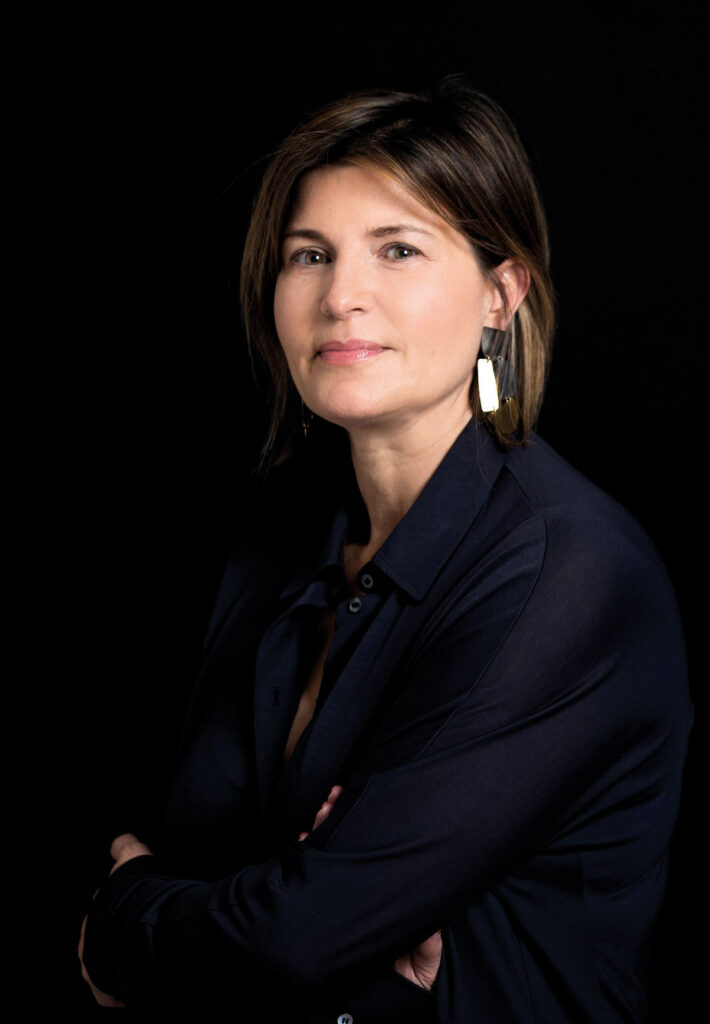
In our final Retail Insight column of the year, Angela Farrugia, Founder of Brand x Society explains to us how luxury creative directors are re-energising the high street and what this means for the industry.
In recent years, the boundary between luxury fashion and the high street has become increasingly fluid. One of the clearest signals of this shift is the growing number of luxury and designer creative directors taking on senior roles within mass-market fashion brands. Appointments such as Zac Posen at Gap, Jonathan Saunders at & Other Stories and Clare Waight Keller at UNIQLO mark a strategic and cultural turning point for high street fashion. These moves are not simply about prestige; they are about reinvention. By importing luxury sensibilities into accessible retail, high street brands are refreshing their creative identity, elevating product design and reigniting consumer excitement in a challenging retail landscape.
Zac Posen’s role at Gap exemplifies this shift. Known for his sculptural eveningwear and deep respect for tailoring and construction, Posen brings a design-led mindset to a brand historically rooted in American casualwear. His influence is less about translating couture gowns into denim and more about refining silhouettes, fit and fabric choices across everyday essentials. By applying luxury principles to wardrobe staples, Posen helps Gap reconnect with its heritage while making the product feel considered and modern. The excitement around his appointment lies in the promise of quiet elevation – familiar pieces reimagined with greater care and design integrity.
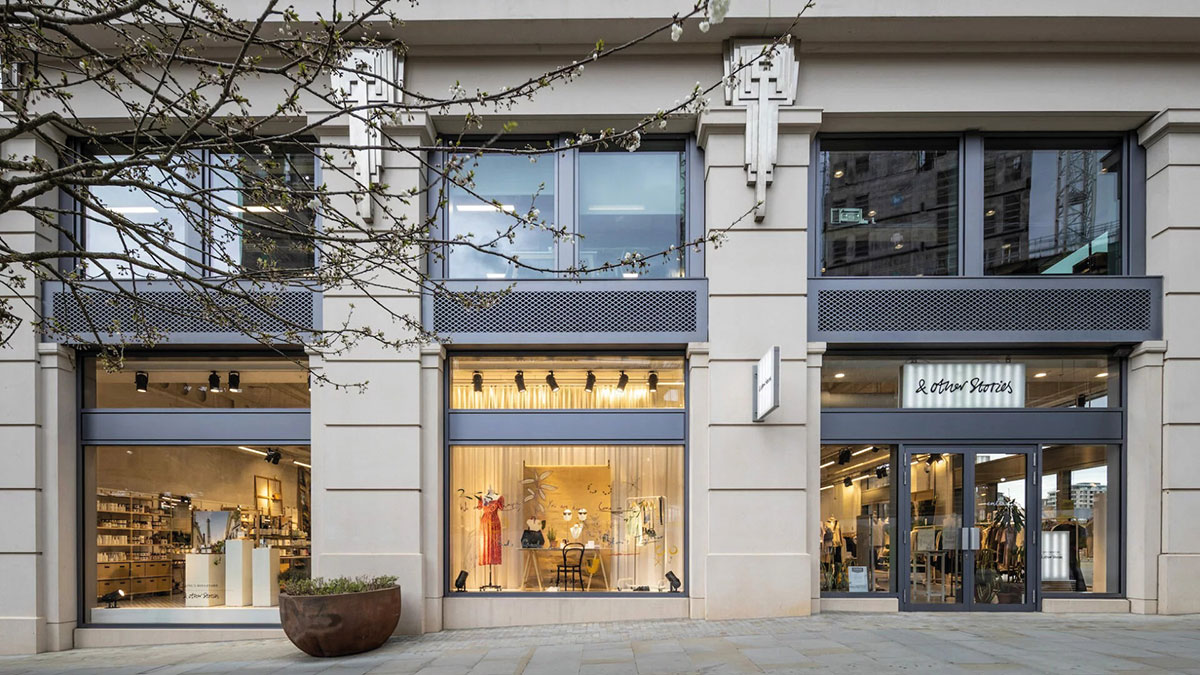
At & Other Stories, the appointment of Jonathan Saunders represents a different but equally impactful approach. Saunders, celebrated for his mastery of print, colour and modern femininity, brings a distinctive creative voice to a brand that already occupies a more fashion-forward position on the high street. His role is not to overhaul the brand, but to sharpen it. Under his creative direction, collections feel more cohesive, expressive and editorial, aligning & Other Stories more closely with the rhythm of luxury fashion houses while retaining accessibility. This strengthens the brand’s emotional pull, making customers feel they are buying into a creative vision rather than just a seasonal assortment.
Clare Waight Keller’s collaboration with UNIQLO demonstrates how luxury expertise can enhance even the most minimalist retail models. Known for her refined tailoring and understated elegance at brands such as Chloé and Givenchy, Waight Keller brings a focus on proportion, fabric and longevity that align seamlessly with UNIQLO’s philosophy of “LifeWear”. Her involvement reinforces the idea that luxury is not defined by logos or price points, but by thoughtfulness and design intelligence. The excitement here comes from subtle transformation: garments that feel elevated, timeless and emotionally resonant without losing their everyday functionality.
These appointments are freshening up the high street in several key ways. First, they reintroduce the concept of authorship. In a retail environment often dominated by anonymity, having a named creative director provides a face, a story and a point of differentiation. Consumers respond to this human element, especially at a time when authenticity and creative credibility matter deeply. A designer’s reputation carries cultural weight, helping brands cut through a crowded market and reconnect with fashion as an art form.
Second, luxury creative directors bring a slower, more considered approach to design. While high street brands still operate at scale, these leaders emphasise cohesion, quality and longevity over disposable trends. This shift resonates with increasingly conscious consumers who want value beyond price – garments that last, both physically and aesthetically. By refining fit, fabric and construction, luxury designers help high street brands justify their relevance in a market saturated with choice.
Third, these appointments generate renewed excitement and media attention. In an era where traditional advertising has limited impact, creative leadership becomes a powerful storytelling tool. Each new collection is framed as a creative moment rather than a routine drop. This sense of anticipation encourages customers to re-engage with brands they may have previously overlooked, driving footfall, online traffic and cultural conversation.
Importantly, this movement also reflects a broader democratisation of fashion. When luxury designers work with high street brands, they make good design accessible to a wider audience. This does not dilute luxury; instead, it redefines it.
In conclusion, the arrival of luxury creative directors on the high street marks a powerful evolution in modern fashion retail. They are transforming the high street from a place of pure consumption into a space of inspiration and renewed excitement. As the lines between luxury and mass fashion continue to blur and these creative partnerships point to a future where great design is not defined by price, but by vision
