


The Next Era of Customer Centric
As the retail and leisure landscape continues to evolve at pace, RLI will take this opportunity to spotlight the visionary companies, platforms and pioneers harnessing innovation, AI, immersive technology and digital infrastructure to transform how, where and why consumers engage with brands globally. Over the pages ahead, companies and brands from around the world will be highlighted as they lead the sector into the next era of customer centric retail.
Tech titans in retail primarily refer to the large, influential technology companies that have significantly impacted the retail industry. Key players include Amazon, Apple, Google and Alibaba, who have transformed how consumers shop and how retailers operate. These companies have redefined customer expectations, driven e-commerce growth and are now shaping the future of both online and in-store retail experiences.
In an article entitled ‘The future of shopping in retail: What to expect in the next 10 years’ by James Robins, Chief Marketing Officer at Yodeck he explains that retail has transformed significantly in recent years and the pace will only accelerate. Over the next decade, technology will redefine how consumers discover, interact with and ultimately purchase from brands. The store of the future will evolve beyond being a place to buy – it will be a hub for engagement, storytelling and connection. Robins continues by saying that over the next decade, consumers will increasingly seek more engaging shopping experiences driven by dynamic, personalised digital content that reinforces the messaging and information that customers have already seen online and on social media. With the right technology, traditional retail spaces can be transformed into immersive environments that attract customers and enhance the likelihood of purchases.
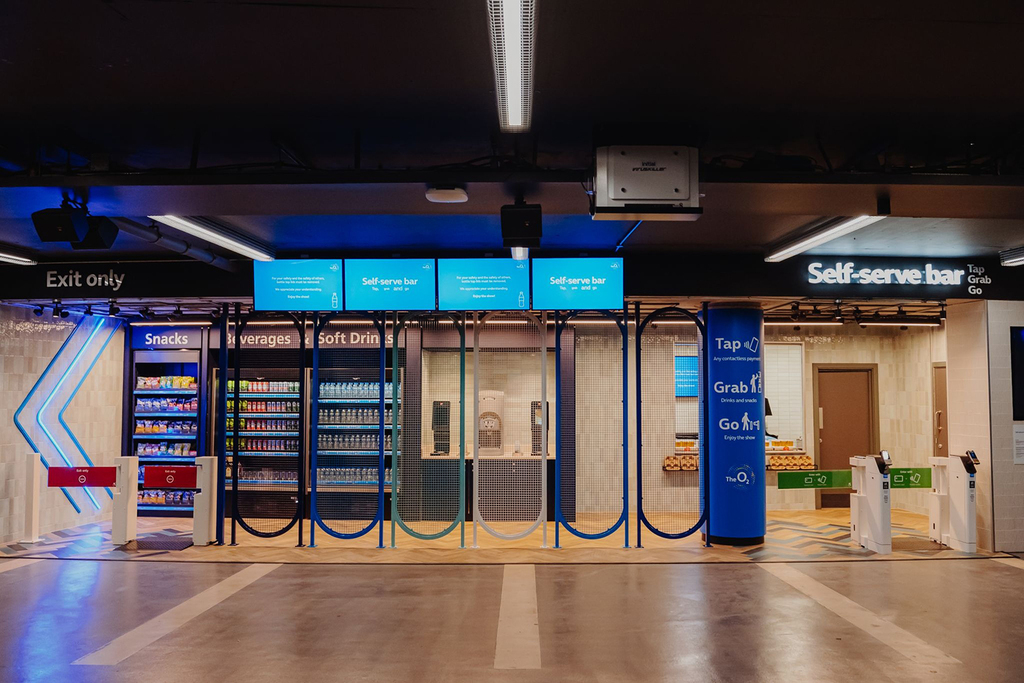
Amazon is actively expanding its Just Walk Out technology to new locations, including stadiums, universities and airports, both in the US and internationally. This expansion includes more third-party locations than ever before as of last year, more than doubling the number of stores with the technology. In the US, several NFL teams are adopting the technology for their stadiums, including Lumen Field in Seattle, Commanders Field outside of Washington D.C. and M&T Bank Stadium in Baltimore. Meanwhile in the UK, The O2 arena in London became the first indoor arena in England to feature the technology.
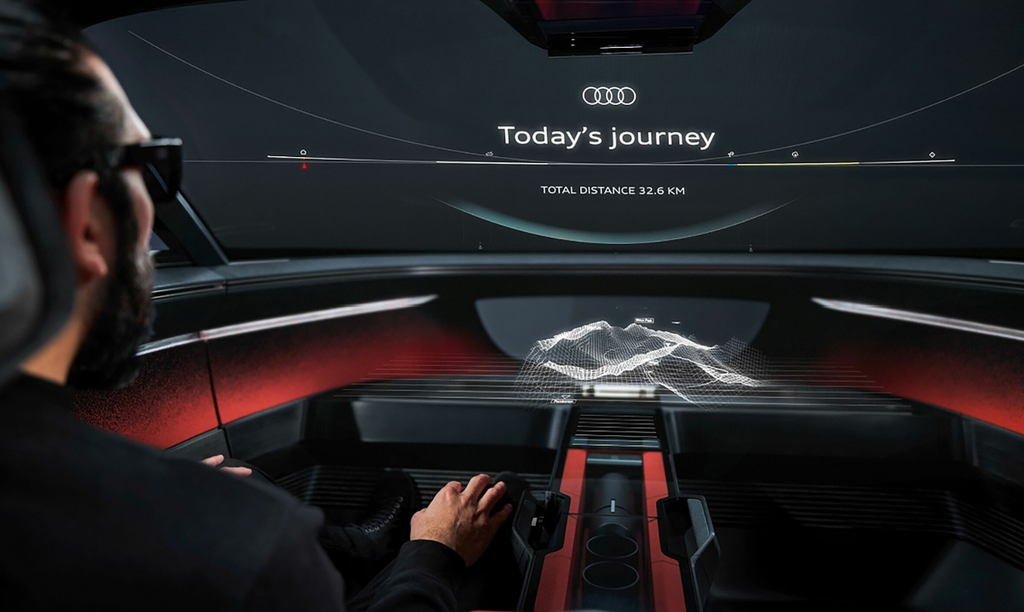
Audi, one of the world’s leading luxury car manufacturers, is known not only for its advanced engineering but also for creating an exceptional customer experience (CX). By integrating cutting-edge immersive technologies into its dealership services and customer journey, Audi offers a tailored, engaging and highly personalised CX. From virtual reality (VR) in showrooms to online configuration tools, Audi has set a new benchmark for how customers experience luxury car buying. Audi’s VR showrooms enable customers to take virtual test drives, giving them the ability to experience the feel of a car without being physically present. Meanwhile, Audi City locations in cities like London, Berlin and Paris use floor-to-ceiling digital screens to display a full catalogue of Audi models, configurations and customisation options. Customers can interact with the digital displays to see real-time updates on vehicle features, colours and specs, ensuring a tailored experience.
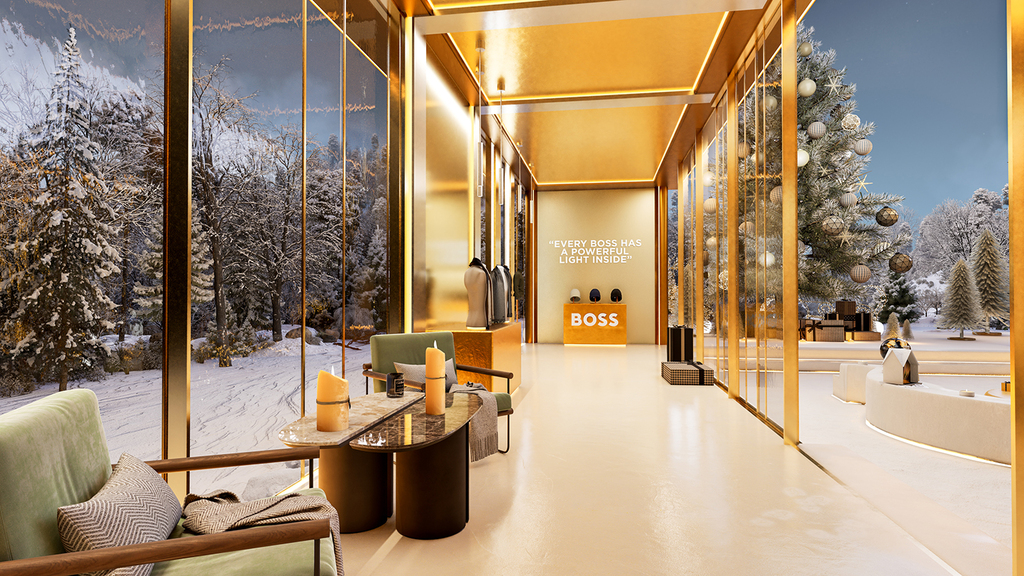
Launched last year, the BOSS Holiday Virtual Experience, developed by Emperia using Creator Tools, was centred on BOSS XP, the brand’s loyalty membership program, while accessible to the general public. As the holidays were approaching, BOSS aimed to encourage consumers to engage more deeply with the brand to discover, shop and gift its sophisticated range of 24/7 lifestyle products. With this in mind, BOSS fans were invited to enjoy an immersive virtual experience that brought the festive spirit to life. This allowed consumers to explore the curated product selection in a gamified environment and the virtual world was set in a villa-like setting with fully-transparent walls, allowing visitors free movement, while exploring the various items, encouraging exploration and provoking curiosity; all leading to a holiday courtyard, accessible to loyalty members, called the Private Garden. The Private Garden offers a glimpse into the benefits of becoming a BOSS XP member, including a raffle, event invitations, exclusive experience access, complimentary alterations and product sneak peeks, all animated and clickable, offering visitor-education and reflecting the brand’s shopper appreciation. With a simple click, guests could explore items from the menswear, womenswear, footwear, accessory and fragrance collections, view product details and add items to their cart.
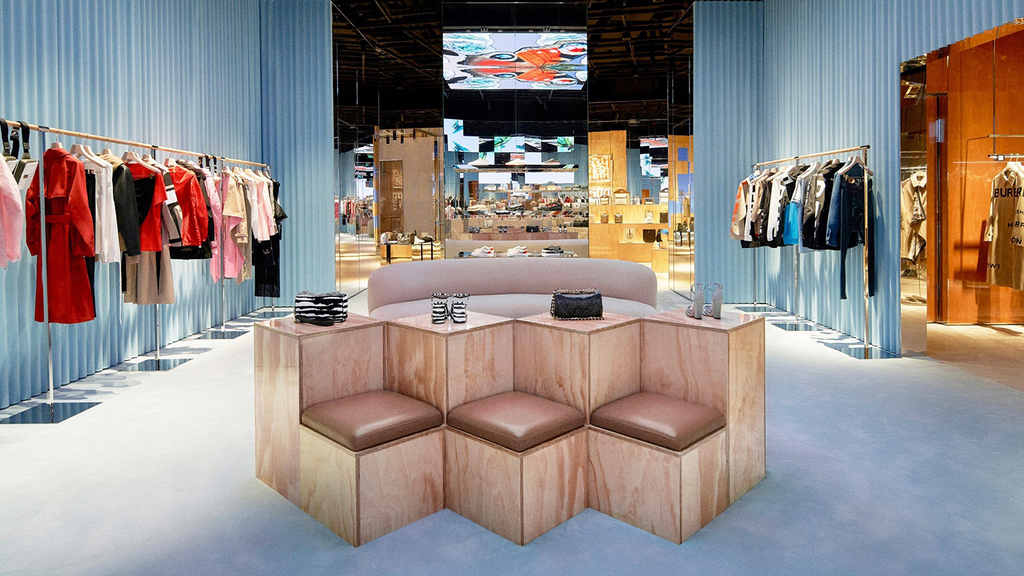
The British luxury fashion house Burberry is another institutional brand that is using technology to transform its offering to customers. In her report ‘5 ways Burberry is using tech to transform high-end retail’, Ann-Marie Corvin highlights that over the last decade, fashion retailers have invested heavily in social media to target upmarket millennials and revamp their image. However, with platforms like Facebook and Instagram banned in China, one of Burberry’s biggest territories, retailers need to rethink their approach in this market. Burberry decided to partner with China’s tech giant Tencent to create a ‘Social Retail Store’ in Shenzhen, which merges online interactions with physical retail experiences. The 539sq m store comprises ten spaces celebrating Burberry’s heritage while offering interactive encounters. The store’s entrance features a window which responds to body movements, creating immersive moments that can be shared on social media. Inside the store, three immersive fitting rooms offer personalised experiences, with QR codes linking products to digital screens for additional content and storytelling. Tencent also developed a custom-made, in-store WeChat application (China’s answer to WhatsApp) that provides exclusive content, audio guides, appointments and events. Through gamification, customers also received playful digital animal characters evolving with interactions and QR codes that facilitated access to new collections and store exclusives.
Last year saw the first North American addition to the Coca-Cola Trademark in more than three years as Coca-Cola Spiced and Coca-Cola Spiced Zero hit shelves across the US and Canada. Coinciding with the launch was a two-day activation called The Spiced Shop in New York City. It was an experiential art installation and immersive, Artificial Intelligence (AI)-driven sampling experience. Guests could express what they taste and feel to create a visual manifestation of their unique Coca-Cola Spiced experience. The brand partnered with Emmy-winning actress, producer and entrepreneur Storm Reid, to bring the installation to life at 216 Lafayette in SoHo. Coca-Cola Spiced demonstrated the company’s accelerated approach to consumer-centric innovation. The brand came to life – from idea to shelf – in record time.
For one night only back in March, fans attending the LA Clippers game at the Intuit Dome arena in Los Angeles were invited to mint a free digital collectible, powered by Coinbase and built by Noomo. The experience was designed to be fast, mobile-first and deeply integrated with the rhythm of the game itself. As the tension on the court built toward a dramatic last-second victory, fans were simultaneously able to claim a unique on-chain NFT – not just as a keepsake, but as a ticket to real-world perks, including exclusive jerseys and the chance to meet Kawhi Leonard during the game. It was Web3 in real-time, brought to life in the heart of the arena.
Situated on London’s Oxford Street, Europe’s busiest shopping street, the first Future Stores location is steps away from iconic landmarks such as the British Museum and bustling neighbourhoods such as Soho and Fitzrovia. Visible to millions of commuters and shoppers, it provides unrivalled access to a local and international audience and is home to many of the world’s most valuable brands. Future Stores is a dynamic, immersive experience, designed to engage your audience and to encourage them to share. The store is supported by sophisticated data and tracking allowing brand owners to customise, personalise and improve the experience as they see fit. The London landmark was created with flexibility and agility in mind. LED screens are reprogrammable in an instant, offering dynamic content adjustment, dividers to split the space into two, brand showroom areas, meeting rooms, spacious stock areas and a team ready to help deliver the ultimate brand vision.
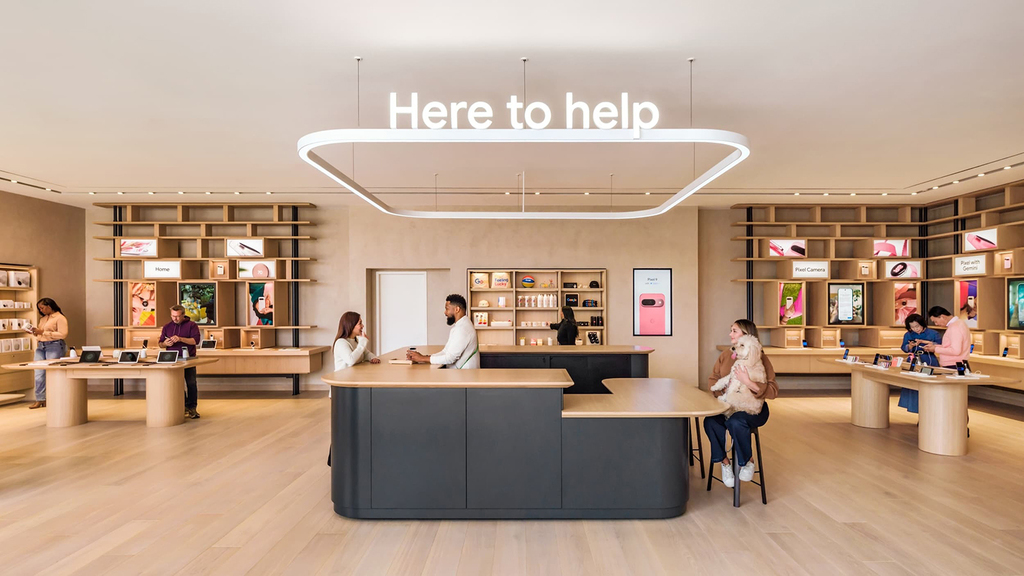
After launching its sixth and seventh retail store in the US this year, the tech giant Google, as part of its ongoing expansion, is poised for its inaugural physical sites outside the US, with India emerging as the focal point of this expansion. The upcoming Google stores are designed not just to sell products but also to create an immersive brand experience that resonates with consumers. By targeting the luxury segment, Google aims to enhance its competitive edge against Apple and other established players in the market. India represents one of the fastest-growing markets for smartphones globally, with around 712 million smartphone users. This burgeoning consumer base presents immense opportunities for tech companies looking to expand their footprint.
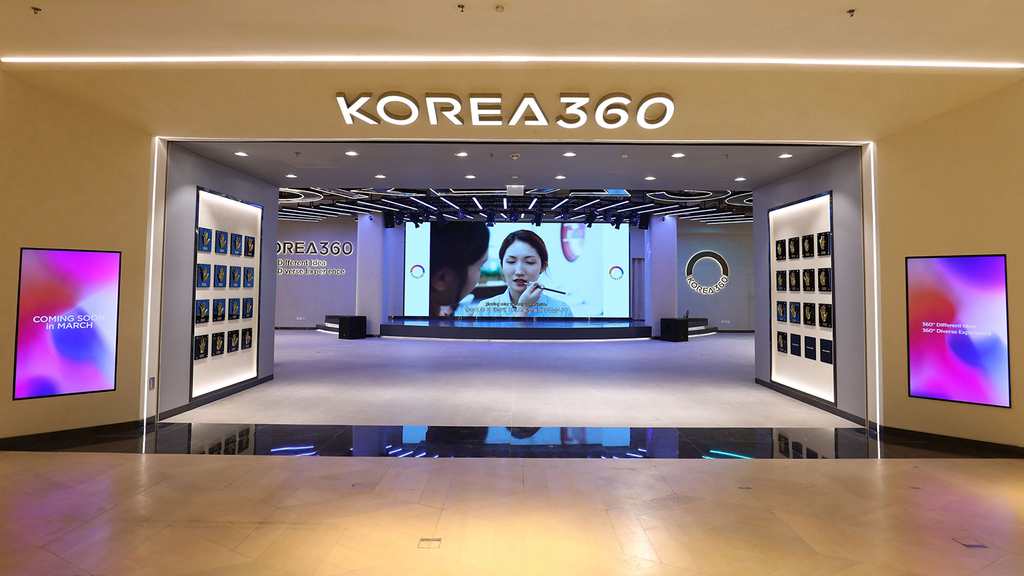
A new immersive centre with a focus on South Korean culture has arrived in Dubai and it may be the closest thing to visiting Seoul without having to leave the country. Korea 360 opened on 11 April on the first floor of Dubai Festival City Mall. The Korea 360 initiative is a collaborative effort from the Ministry of Culture, Sports and Tourism and organised by the Korea Creative Content Agency. Supported by various ministries, the event aims to promote South Korean entertainment and culture on a global stage. Inside the space lies an immersive experience that includes an interactive space for K-pop and K-drama fans. It features things like a wall of handprints and famous outfits from K-pop stars. The country’s history is on display with artefacts and traditional dress. There are also exhibitions that showcase viral and trending South Korean brands and products such as food, beauty and lifestyle goods. The space can also be used to host workshops, cultural events and festivals as well as K-pop performances and meet-and-greets with musicians and celebrities.
Unilever is investing US$105M to build a “world-class, digital-first” fragrance house, aimed at boosting the expansion of its fragrance segment. The fragrance house will be powered by digital and AI technology, as well as neuroscience techniques to better understand how smell affects mood and enhances emotional wellbeing. There will also be 1,000 raw materials available to create a unique fragrance formula. “This initiative will enable us to create and develop our own fragrances, as well as continue to work closely with our important existing partners in the industry,” said Richard Slater, Chief R&D Officer at Unilever. In addition, the consumer goods corporation collaborates with experienced perfumers from the UK, the US and India to work on its global portfolio of brands. “By recruiting expert perfumers and leveraging new capabilities including digital technology and AI, we will help drive unmissable brand superiority in line with Unilever’s Growth Action Plan, developing fragrances that consumers love and enhancing the overall experience of our products.”
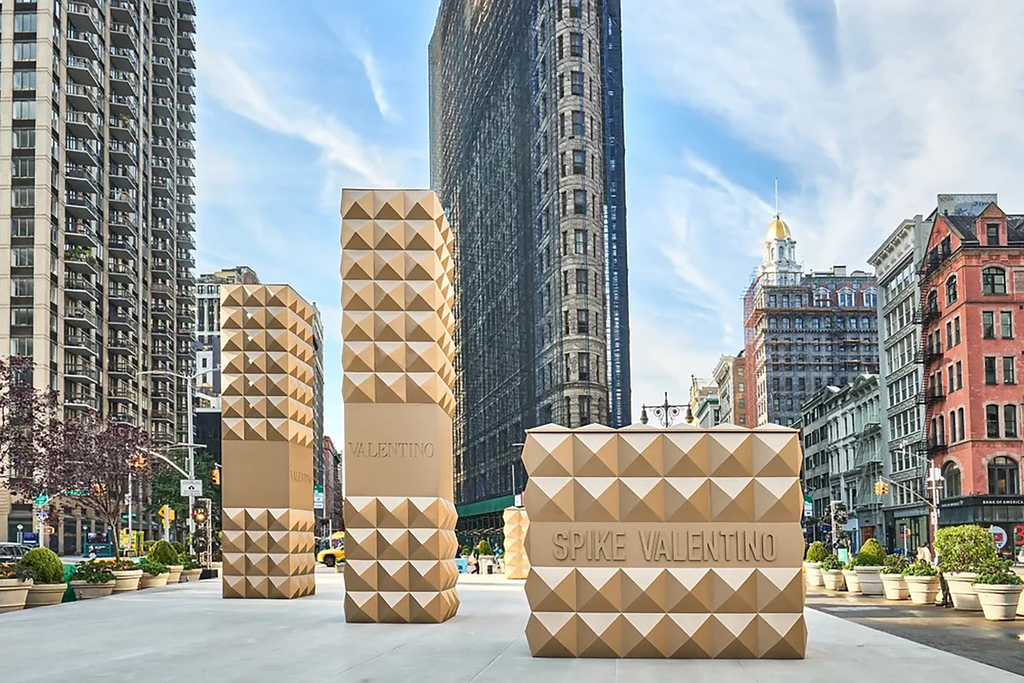
Back in October last year at the Flatiron Plaza in New York City, Valentino launched a beauty brand activation that featured a smart AR mirror for virtual lipstick try-ons. The mirror enabled virtual try-ons, real-time previews and tangible takeaways via printed photos. Aesthetic integrity was non-negotiable, so the tech was seamlessly embedded, not showcased. This wasn’t about spectacle. It was about giving passers by a reason to pause, play and connect emotionally with the product.
The Vogue Brand Activation event that ran from November last year to June this year was VOGUE: Inventing the Runway, which was a spectacular new immersive experience that explored the history of the fashion runway show, from the intimate couture salons of the early 20th century to the unforgettable pop-culture events of the present. Narrated by Cate Blanchett, the show utilises Vogue’s remarkable archive and contributor network to create an experience that brings together the industry’s leading voices from the past, present and future. With first-hand testimony and a rich mixture of media, Inventing the Runway revealed how fashion shows became the ultimate statement of a designer’s vision – at times, a walking expression of their identity – reimagined season after season and year after year. It was a celebration of the imagination, discipline and passion that has revolutionised how we experience fashion. Through a cycle of thematic chapters, Inventing the Runway used original animation in an experience that was both visceral and insightful, with immersive sound design and a score that fused classical and pop music.
Earlier this year, Walmart launched its first ever server on Minecraft Java Edition. It was released in the run up to the release of A Minecraft Movie in cinemas back in April. Built by Moonrock and powered by strategic insights from GEEIQ, Walmart Skyward marked a significant milestone in the brand’s virtual world strategy. It was released as an action-packed, story-driven server on Minecraft Java Edition where players embarked on a space adventure to find a lost friend. It ran over the course of six weeks, with a new chapter being released each week, taking players on a journey across galaxies to uncover the secrets of an interstellar civilisation. Walmart Skyward marks a turning point for how legacy retailers show up in virtual worlds. By combining Minecraft’s open-ended creativity with a cinematic, story-driven experience, the brand has reimagined what a brand activation can look like.
