


In our Leisure Insight this month, David Anderson, President at Aimbridge Hospitality EMEA says that in today’s unpredictable times, a hotel’s place in its local community has never been more important.
It’s no secret that we live in an era defined by unpredictability. A turbulent geopolitical landscape, fast-changing customer expectations and widespread digital fatigue has resulted in many of us craving connection, familiarity and a sense of community.
This shift is something we’re seeing first-hand at Aimbridge EMEA, with demand for community experiences and wellness-led stays continuing to rise across our portfolio, from the UK, across Europe and into the CIS. Wherever a hotel is located, its connection to its local community holds great value.
A strong community presence has the power to not only attract travellers looking for authentic experiences, but also to bring those who live and work nearby together to socialise, work and recharge. And, the commercial results are clear. Meaningful community engagement often unlocks new or strengthened revenue streams for hotels and builds a loyal customer base right on a property’s doorstep.
Plating up Food Provenance
One of the most effective ways a hotel can forge deeper community ties is through its food and beverage offering, particularly by championing local provenance.
Providing a platform for local suppliers and championing regional produce on hotel restaurant and bar menus not only elevates the guest experience by offering travellers a true taste of the place they’re visiting, it can also provide a reason for local diners to return time and again. From partnerships with artisan makers, such as bakers, butchers and dairies, to collaborating with local breweries, distilleries and wineries, incorporating community producers into a hotel’s culinary offering both enhances experience and directly supports the region’s economy.
By doing so, hotels can become dining destinations that attract the community just as much as they do overnight guests.
Becoming a Business Hub
Community connection can take many forms and the local business sector is often a crucial part of a hotel’s regional network.
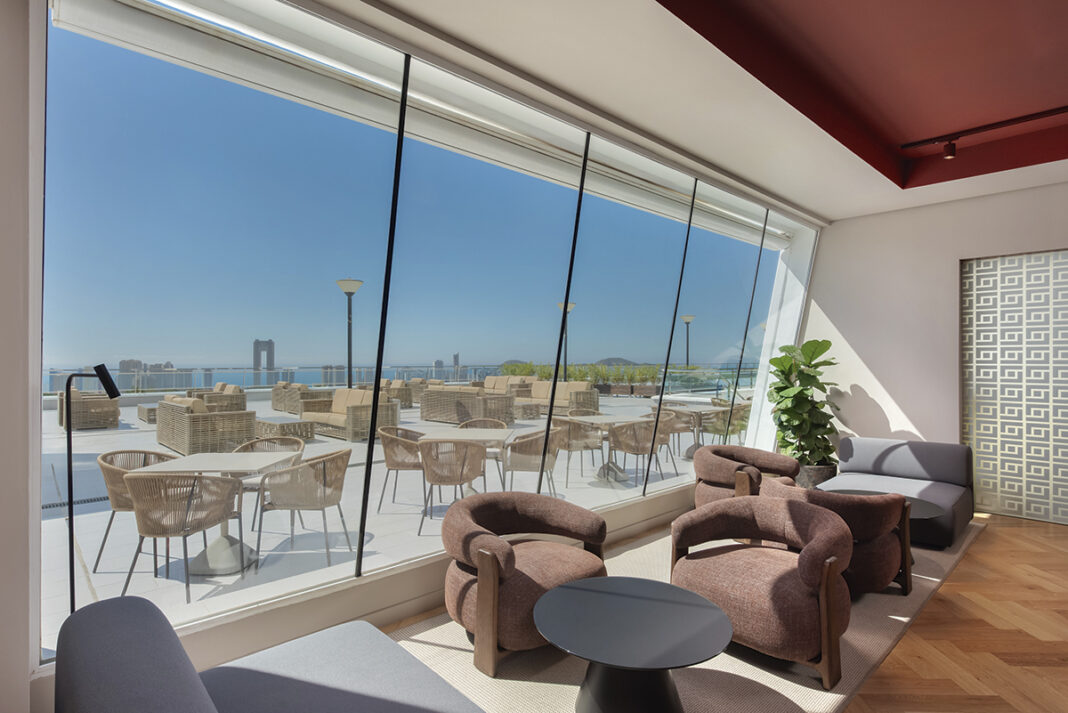
With hybrid working now fully embedded in modern life, many people are seeking alternative spaces where they can work comfortably while enjoying quality hospitality. Hotels are perfectly positioned to meet this need, offering a variety of places to work, from dedicated business centres to quiet corners in lounges, or tables in bars and cafes.
Open lobby concepts have become central to this, enabling hotels to capture daytime revenue from local workers in addition to overnight guests by providing facilities for hybrid workers to sit, catch up on emails, meet informally with their connections over coffee or lunch, or gather with small teams in a more relaxed setting.
Providing Space to Meet or Celebrate
Equally, meeting and event spaces also play a crucial role in strengthening a hotel’s position within its community, providing spaces for local businesses, as well as groups, clubs and residents to use in the area.
Whether it’s a small meeting room hired by a local SME for a team catch-up, or a larger event space that becomes the go-to space in the community for weddings, celebrations and community milestones, these facilities create a reliable and diverse revenue stream while placing the hotel firmly at the heart of local life.
Wellness on the Doorstep
As the trend towards wellness-focused experiences accelerates, hotels also have a significant opportunity to serve their local communities in this way.
According to the latest McKinsey & Company ‘The Future of Wellness Trends’ report, the wellness market is now worth an estimated $2tn globally and in-person wellness experiences are expected to be a major driver of travel and leisure decisions in 2026. Hotels that can offer opportunities for local residents to recharge and relax are therefore well-placed to benefit on the back of this trend.
This could be the use of a leisure club for local members, offering spa membership, sauna and steam experiences, or hosting community classes such as yoga or meditation. By providing these opportunities close to home, hotels can position themselves as valuable wellness hubs for the communities around them.
Resilience and Rapport
Building rapport with the local community is key for any hotel, not only to generate diverse revenue streams for the business, but also to foster meaningful connections and bring people together.
From creating welcoming spaces where people can gather, to offering a platform for local producers and makers, hospitality should always have community at its heart and in today’s uncertain times, it’s never been more important.
