


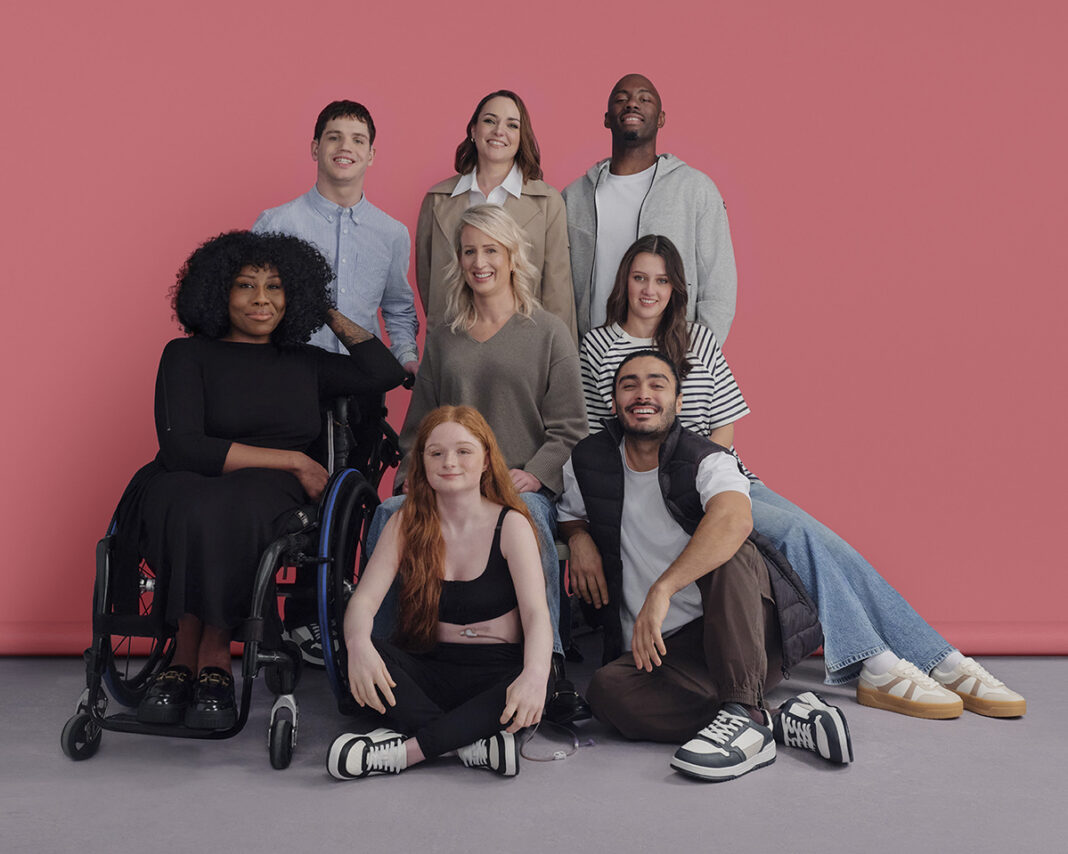
Hidden in Plain Sight
Victoria Jenkins, Founder of Unhidden, is challenging fashion to rethink who it designs for. Through her business, she is proving that adaptive clothing can be stylish, desirable and commercially relevant, all the while asking a much bigger question of the industry: why was inclusion ever considered optional?
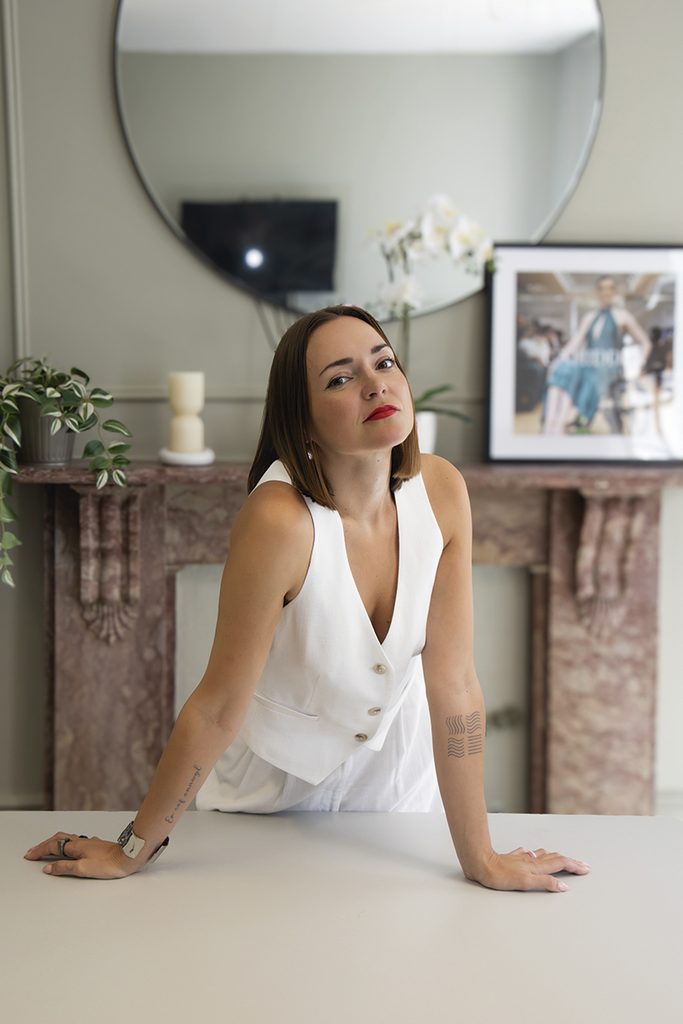
The idea behind Unhidden began not in a design studio or boardroom, but on a hospital ward. It was 2016 and Victoria Jenkins, who was then working as a garment technologist within the fashion industry, found herself sharing a ward with a woman who had survived ovarian cancer but had been left with lifelong medical needs, including two stomas and medical lines. She told Jenkins that she felt trapped by clothing and unable to wear what she wanted in hospital, at home, at work or socially, instead relying on a “uniform” of T-shirts and pyjamas.
Nearby was another patient whose treatment required access to her abdomen, yet the hospital gown offered little dignity or consideration of her needs. This disconnect was impossible to ignore. With years of technical knowledge of how mass-produced garments are constructed, she began asking a simple question: surely fashion could do better?
That question ultimately became Unhidden. Registered in 2017 and launched as a made-to-order business in 2020, Unhidden was created around a principle that remains fundamental to Jenkins’ approach: design with disabled people, not simply for them.
“It is my own experience that is central to this philosophy. Following life-saving surgery for a perforated stomach ulcer back in 2012, I have undergone numerous surgeries and live with multiple chronic conditions. It is these experiences of illness and recovery, whilst navigating a fashion industry that is not designed around disability that has given me a perspective few traditional fashion businesses possess,” highlights Victoria Jenkins, Founder of Unhidden.
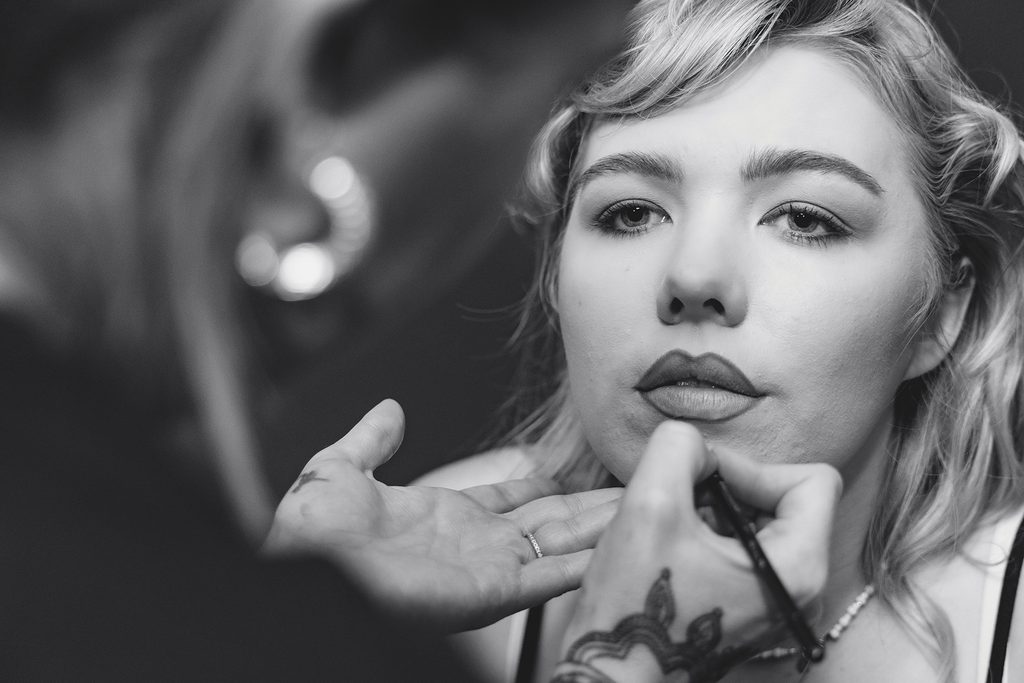
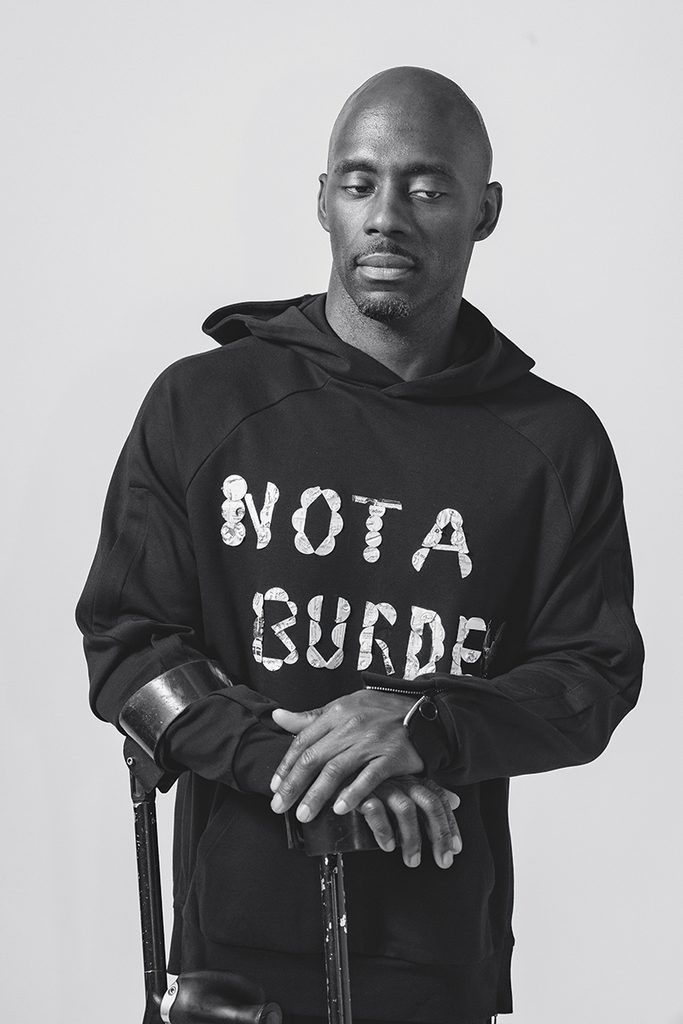
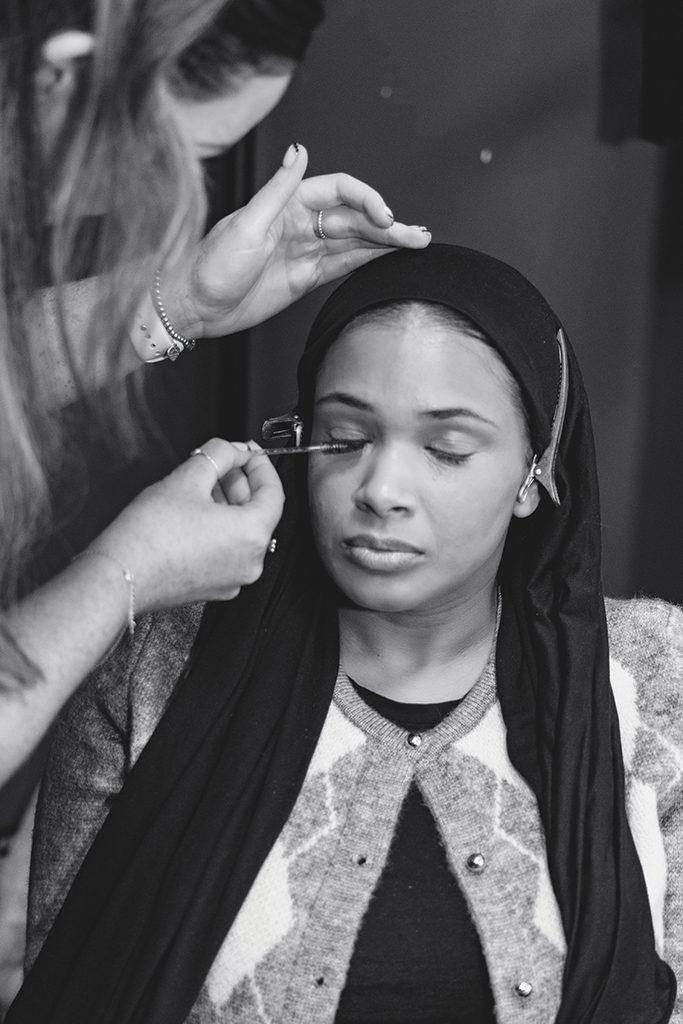
Yet Unhidden is not about creating clothing that visibly identifies its wearer as disabled. In fact, despite the company’s name, she deliberately tries to make the adaptations themselves as hidden as possible. The objective is clothing that functions differently where necessary but still looks like fashion.
Fit sessions, focus groups, real bodies and continuous feedback therefore sit at the centre of development.
“My ambition is ultimately to create garments that may have different underlying patterns, for seated wearers, short stature or sensory requirements, for example, but outwardly look the same. Within this, choice is crucial. Non-disabled consumers can shop across countless brands, aesthetics and price points, disabled consumers deserve precisely the same freedom.”
One of the Founders’ greatest frustrations is the continuing perception that adaptive fashion serves a small, specialist audience and she argues that the reality is very different. Disability may be permanent, temporary, acquired or age-related, while many consumers suddenly discover following illness, surgery or injury that clothing they previously took for granted no longer works for them. Yet disabled voices remain significantly underrepresented inside fashion businesses themselves. For Jenkins, authentic inclusion therefore begins long before a campaign or photoshoot.
“Disabled people need to be involved before pen is put to paper, in design, strategy, digital experiences, physical environments and employment and their expertise needs to be valued. Bring us into the room, pay us to be there, respect what we tell you and actually listen and then act on it,” she says.
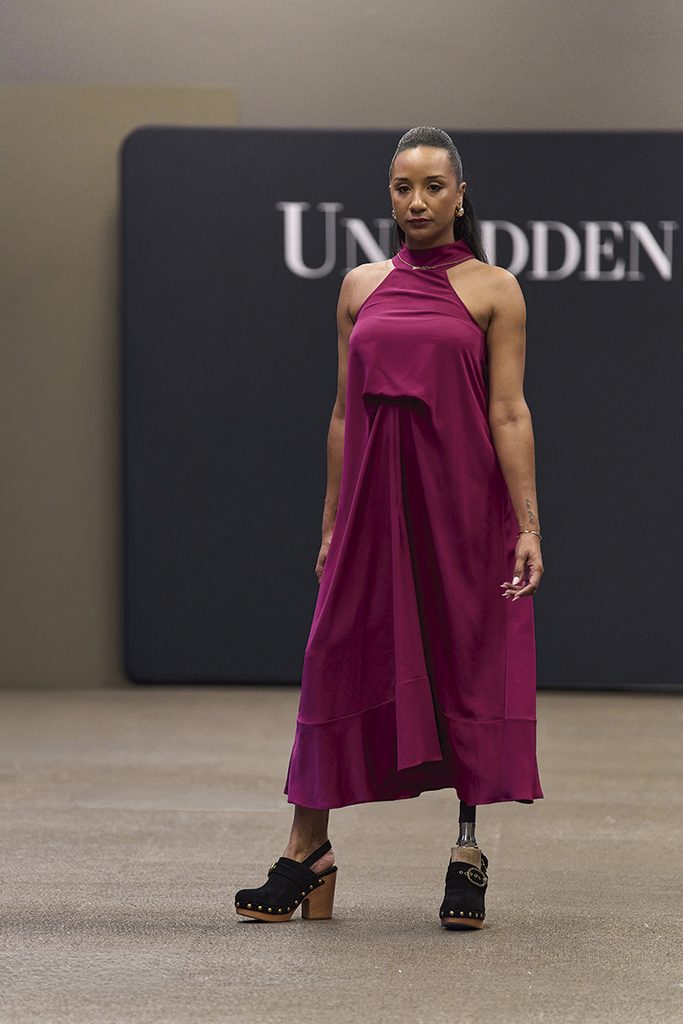
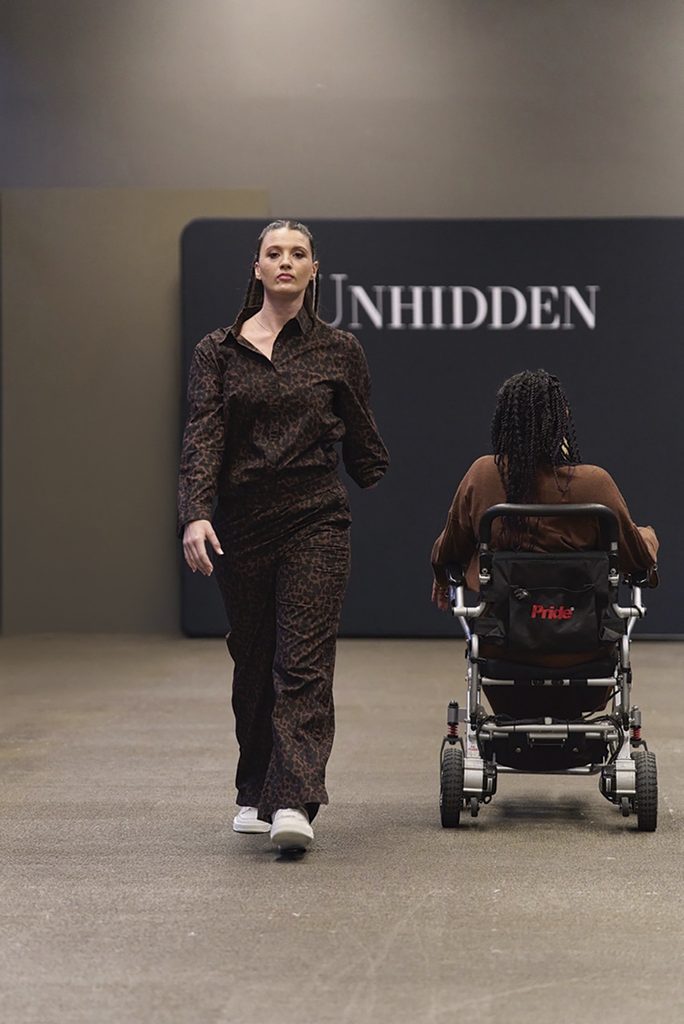
Retailers, landlords and shopping destinations need to consider the complete customer journey. An accessible product means little if a consumer cannot comfortably enter a store, use its changing rooms or access appropriate facilities. People must remember that excluding one disabled customer can mean losing far more than one transaction.
“If I can’t come and bring my friends to a bar, it’s not just me on my own that is not going. It’s the whole circle of people around me,” Jenkins comments.
For retail destinations competing for footfall, loyalty and dwell time, accessibility should therefore be seen not simply as compliance, but as an opportunity to create better experiences, reach wider audiences and make a genuine difference to people’s lives.
Strategic collaborations and partnerships are playing an increasingly important role in taking adaptive fashion mainstream. Victoria co-designed with Primark a collection that has significantly expanded awareness and reach, while subsequent partnerships are helping Jenkins tackle another critical issue: accessibility to the product itself.
Feedback following the Primark collection highlighted limitations around store availability and home delivery. That helped inform Unhidden’s decision to partner with Amazon, who purchased wholesale stock and utilised their supply chain. Jenkins is also partnering with Reskinned to adaptively upcycle garments, while a licensing agreement with Hidden Disabilities Sunflower explores new ways of incorporating its globally recognised identity into fashion. The Founder is also going to be featured on the flagship shopping channel QVC on 23 October at 8pm.
The broader ambition is not for adaptive fashion to remain a separate corner of the industry, but for established retailers and brands to recognise that disabled consumers are already their customers, they simply aren’t always being served properly.
The vision for Unhidden stretches far beyond apparel and international expansion is firmly on the agenda, alongside footwear, tailoring, bridal, childrenswear, accessories, homeware and sportswear. A Paralympic partnership is a particular ambition, driven by her belief that elite disabled athletes should not have to compete in clothing that was never designed around their bodies or needs.
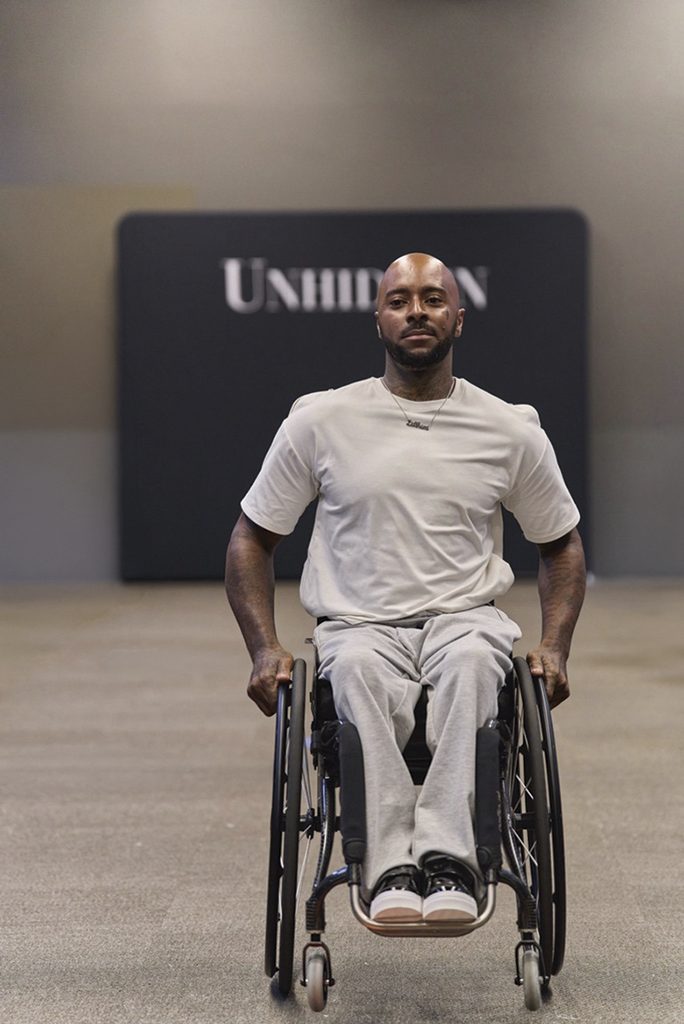
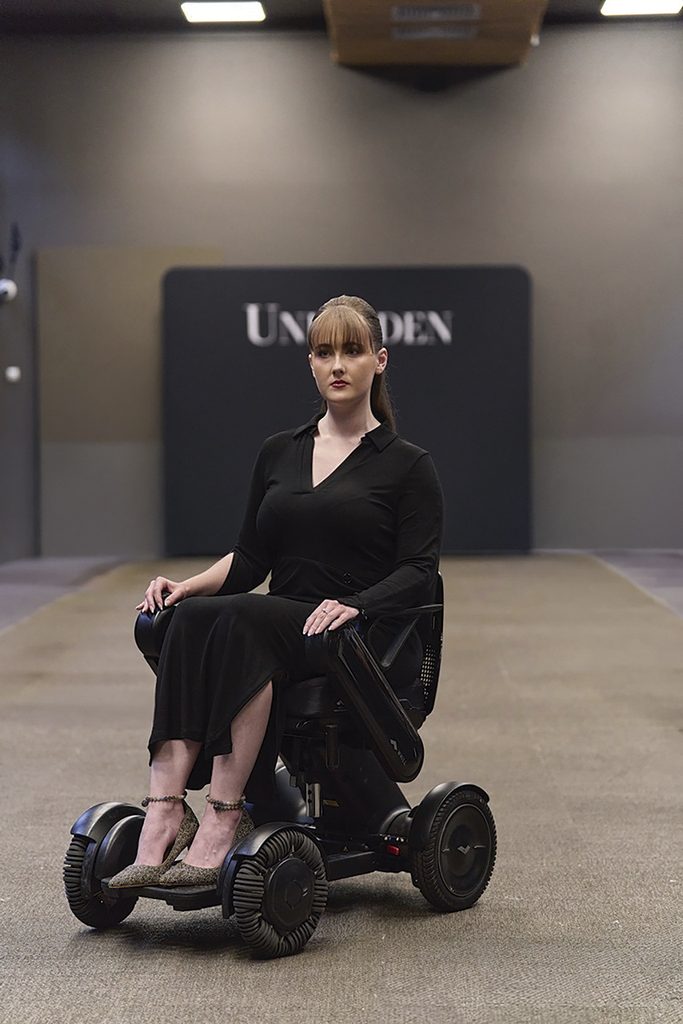
“I feel an Unhidden store could become a gold standard for inclusive retail: genuinely accessible changing facilities, community space, employment opportunities for people with disabilities and potentially complementary hospitality and wellness experiences. Taking this idea further, the result could eventually become an adaptive department store that brings together fashion, products, technology, services and experiences within an environment designed around inclusion from the outset.”
But ultimately, Jenkins’ ambition is bigger than building Unhidden. She wants inclusive design to become so normal that a fashion brand launching an adaptive collection is no longer newsworthy. Instead, the question should be directed at those that aren’t designing inclusively.
The legacy she wants is a new generation of designers who consider different bodies and different needs from the beginning, creating a ripple effect across fashion and the wider industry. Because behind the commercial opportunity, innovation and industry disruption sits something remarkably simple: clothing can restore confidence, independence and dignity.
For an industry built around helping people express who they are, that may be Unhidden’s most important message of all.
