


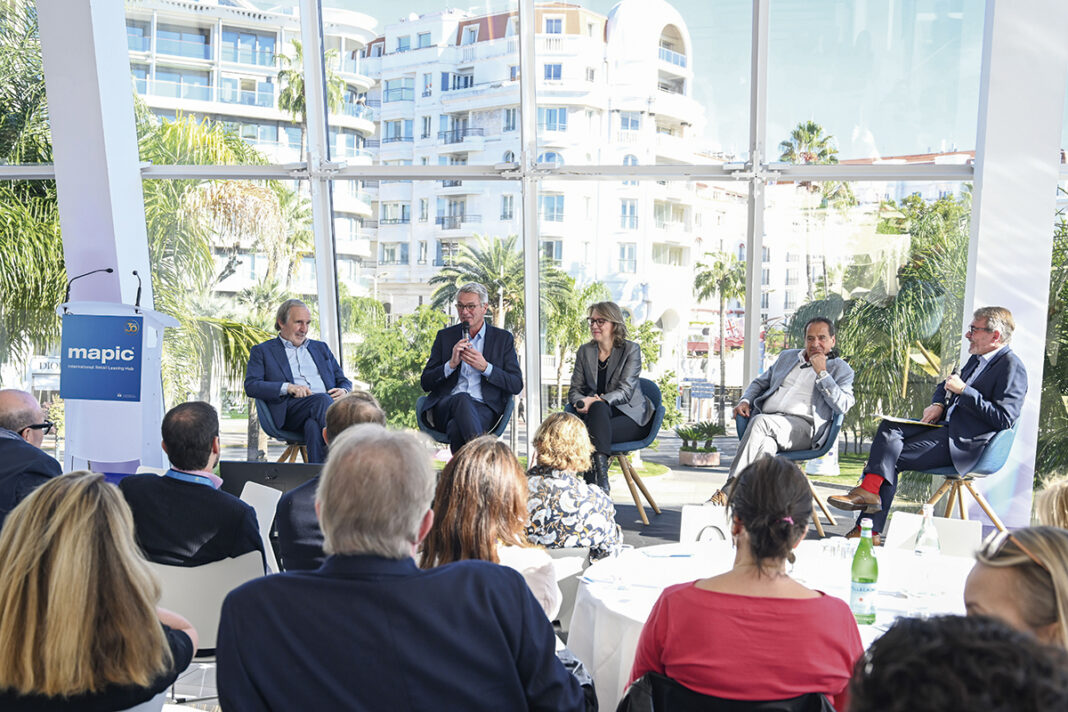
As MAPIC goes into its fourth decade with its 31st edition taking place on 3-4 November at the Palais des Festivals in Cannes, France, RLI spoke with MAPIC Managing Director Francesco Pupillo ahead of the event to better understand what attendees can expect.
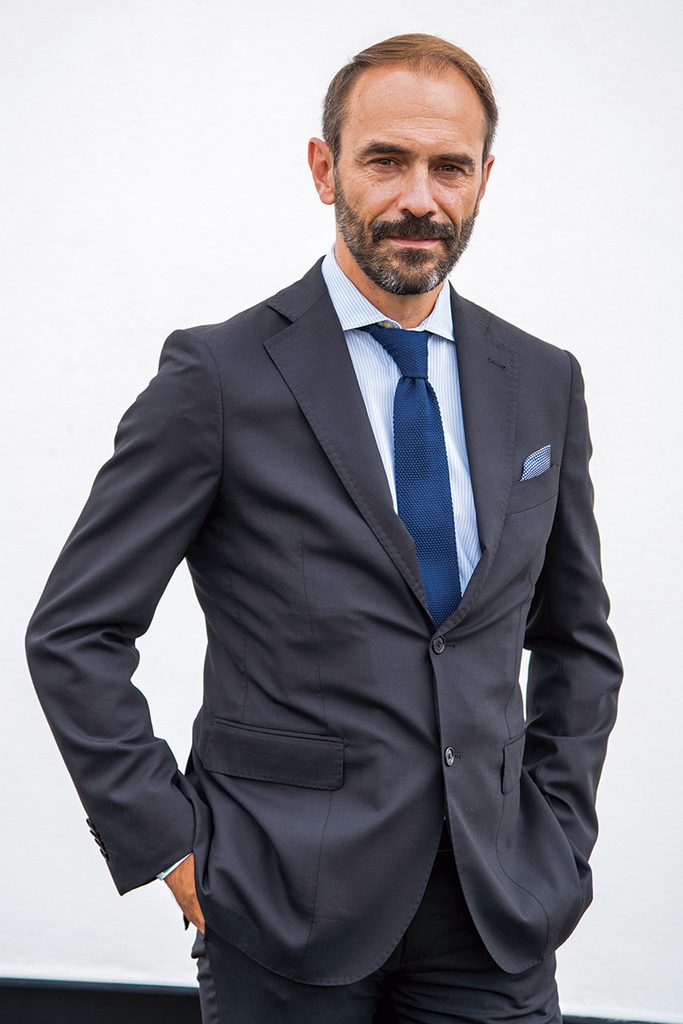
Francesco, what are the most significant changes attendees and exhibitors can expect from MAPIC 2026, particularly with the continued focus on a more concentrated, business-led two-day format and high-quality networking?
MAPIC’s 30th anniversary in 2025 represented an important evolution for the event. We introduced a more concentrated two-day format with a much stronger emphasis on productive networking, actionable insight and ultimately, helping participants do business. The feedback was extremely positive, but more importantly we saw tangible results, with participants reporting increased deal flow and new partnerships generated through connections made at MAPIC. For 2026, therefore, we are not changing direction; we are building on what worked. MAPIC returns with the same intensive two-day structure, but with significantly more capacity for targeted meetings. The networking table area in Riviera 8 will expand from 70 to 120 tables, alongside more curated and invitation-only opportunities.
High streets and retail parks are taking a much more prominent role at MAPIC this year. Why are these asset classes so important to the market right now and what opportunities do you see for retailers, investors, cities and developers?
The new High Street Zone and Retail Park Summit are important parts of the ongoing evolution, while five additional closed-door events will create opportunities for focused conversations between particular groups of decision-makers. Investor sentiment towards retail has improved, but capital is being allocated much more carefully and the opportunities vary significantly between asset classes. Retail parks are a particularly interesting example. Their combination of accessibility, convenience, relatively efficient operating models and strong representation from value and essential retail has created considerable investor and retailer interest. At the same time, there is renewed interest in the high street. Tourism, mixed-use regeneration and consumers’ desire for experience are creating opportunities in city centres. The new High Street Zone will bring together cities, specialist agents and brands, with a dedicated stage showcasing locations and available sites through city pitch sessions, alongside networking tables for targeted meetings.
MAPIC 2026 places a strong emphasis on selective investment, differentiation and influence. How are these factors changing the way retail destinations compete for consumers, brands and capital?
The market has moved a long way beyond the idea that successful retail real estate is simply about developing more space. Across much of Europe, development is slowing and the current challenge increasingly involves optimising what we already have – repositioning existing destinations, redeveloping or extending assets and ensuring that the merchandising and experience remain aligned with changing consumer expectations. That requires different capabilities. The key question that keeps returning is: what gives a consumer a reason to visit this destination rather than another? And, equally, what gives a retailer a reason to select this particular asset? Traditional retail space is being repurposed to accommodate healthcare, education, co-working, entertainment and other community uses. Mixed-use destinations are increasingly being conceived around how people live, work, socialise and spend their leisure time rather than shopping alone. Owners need a much deeper understanding of their consumers and catchments, while destinations need a clear identity and proposition capable of competing for people’s time as well as their expenditure.
The international retail landscape continues to evolve, with brands from Asia and the Americas looking to expand into new markets. What are you seeing in terms of cross-border expansion and how is MAPIC helping retailers and property owners turn those ambitions into deals?
Cross-border expansion remains extremely active, although retailers are becoming more selective about where, how and at what scale they enter new markets. We expect to welcome around 1,600 brand representatives in Cannes this year and we are placing particular emphasis on businesses looking beyond their domestic markets. Among the first-time participants we expect to see brands such as Dave’s Hot Chicken, Wendy’s, Wingstop, Planet Fitness, Five Iron Golf and Slim Chickens from North America; Pop Mart from China; Hazzys, Chungchun Rice Dog and Seoul Dining Group from Korea; La Vie en Rose from Canada and Al Jaroodi from the UAE. A dedicated International Retail Networking Event on 3 November will create an opportunity for these brands to meet landlords, developers, franchise partners and advisers. International expansion is no longer predominantly about fashion as we’re seeing F&B, competitive socialising, fitness, leisure and experience-led concepts becoming increasingly important components of the occupier mix.
AI, data and technology are moving from experimentation into practical applications across retail. How has the content strategy for 2026 evolved around AI, innovation, sustainability and the changing consumer experience?
A few years ago much of the conversation around AI and retail was theoretical and largely exploratory. Today, the conversations have matured and have become more focused on practical applications such as how technology can help us understand customers better, optimise a tenant mix, predict demand, improve asset performance or create a better physical experience. These questions sit within a much broader transformation of the destination itself and now sit squarely within the asset management arena. The issue of how technology can enhance physical retail and how places can adapt to changing consumers are now key strategic priorities rather than fringe concerns. MAPIC’s 2026 content will therefore focus less on technology for technology’s sake and more on practical applications capable of improving commercial performance, customer experience and sustainability.
What new opportunities does the 2026 format create for retailers, developers, investors, cities, leisure operators and solution providers – and how can participants make the most of the event’s more targeted approach to meetings and deal-making?
Our aim is to provide a seamless interface between brands seeking expansion and the locations/destinations that can facilitate this. MAPIC provides a place where brands should be able to find property partners, while investors should be able to discover concepts capable of differentiating their destinations. That is why we are combining the broad international reach of MAPIC with increasingly focused environments – from the networking tables to the High Street Zone, Retail Park Summit, international retailer sessions and other closed-door meetings. But there is also a longer-term purpose. MAPIC sits at the intersection between immediate commercial requirements and the transformation of the industry, which helps all participants balance business needs with long-term industry transformation.
