

In this issue’s Leisure Insight, Katherine Croom, Managing Director of Sorbon Estates, an owner, asset manager and developer of commercial and residential properties, offers her viewpoint on the changing role of the landlord within the landscape of the leisure sector.
Today’s consumers are drawn to leisure destinations which offer meaningful connection, engaging experiences and a strong sense of place. These expectations require landlords to take on a more active, long-term role in shaping and managing environments that reflect modern lifestyles.
From merely focusing on managing properties and rent collecting to being an active participant with a vested interest in the long-term success of their destinations, the role of the landlord has evolved dramatically. In today’s leisure-driven landscape, landlords must adopt a destination-led approach, curating the right mix of tenants, supporting local communities and ensuring spaces are vibrant, dynamic and relevant which means getting involved in everything from marketing campaigns and events to public space enhancements and long-term placemaking.
Hospitality and leisure operators, in particular independent businesses, thrive in environments where collaboration and flexibility are built into the relationship. These tenants can bring unique character and experiential value, but may also need more support in areas such as visibility, activation and operational sustainability. With that in mind, landlords must act as partners, playing a part in their success and aligning their vision to create destinations that are not only commercially viable but culturally and socially valuable. This requires a more hands-on, responsive approach, one that places people, experience and long-term impact at the heart of their operations.
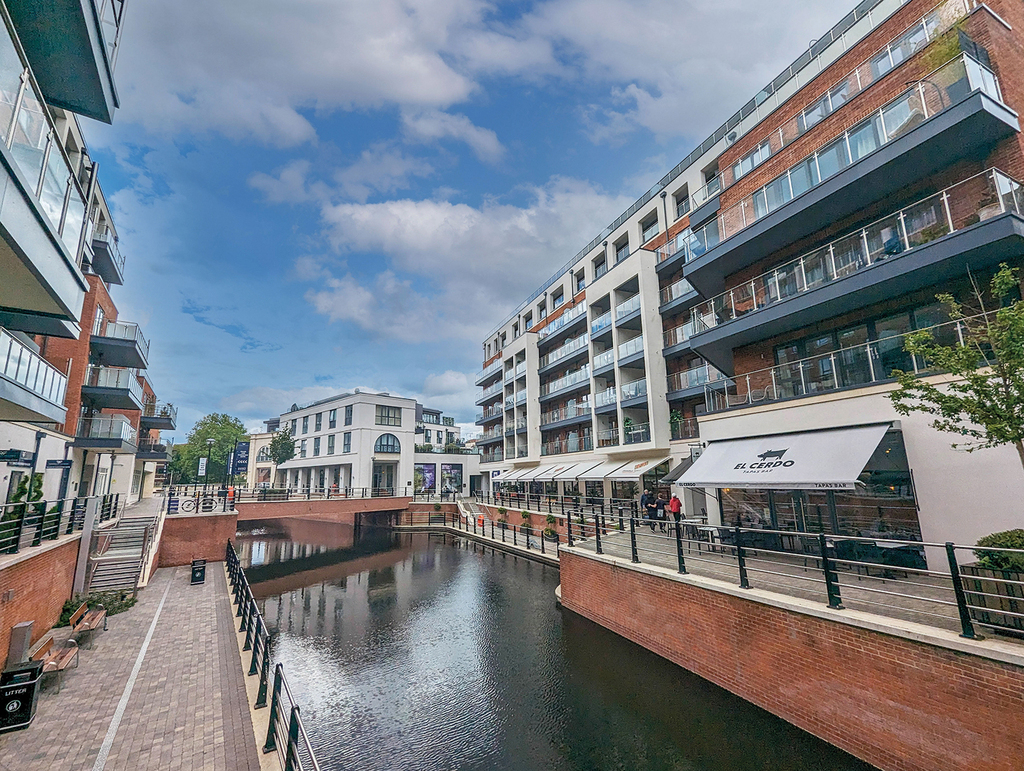
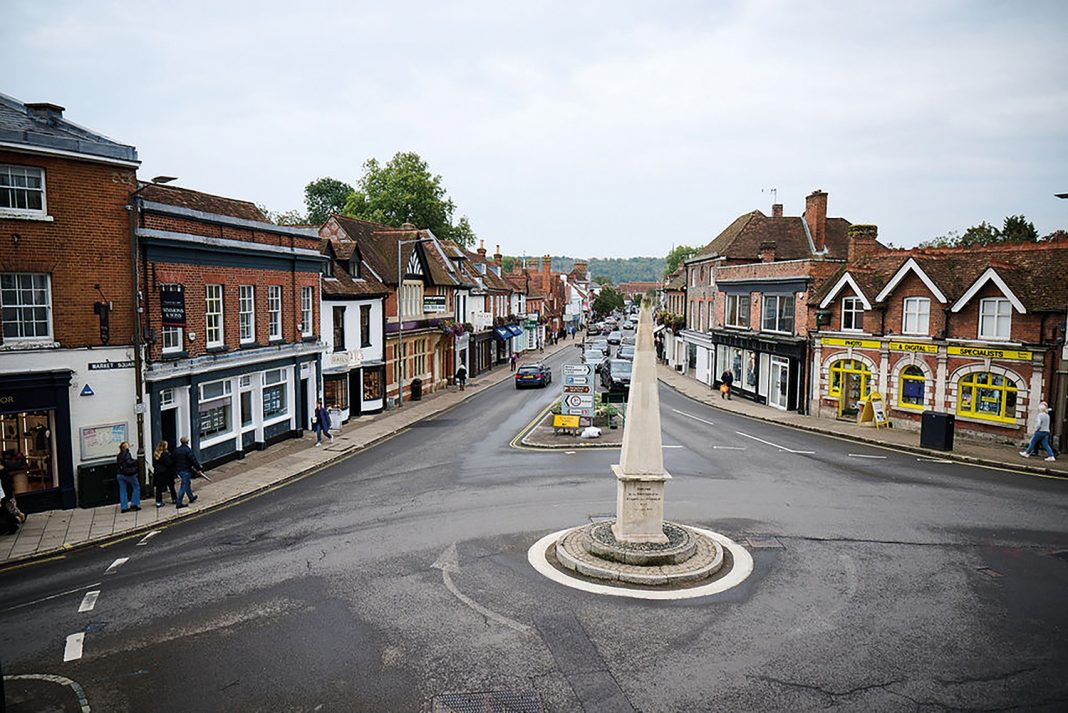
Examples of this more engaged approach can be seen in town centres such as Marlow and mixed-use developments such as Waterside Quarter in Maidenhead. In Marlow, the high street’s distinct character and strong community identity have been supported through a tenant mix which favours high-quality independent operators alongside national brands. Regular events, such as artisan markets, festive pop-ups and community celebrations, complement the retail and leisure offering, helping to drive footfall and create opportunities for connection and shared experience.
Public spaces play an important role in anchoring these activities, enhancing the overall destination and bringing the community together. Aligning leasing decisions with a broader programme of cultural and social events contribute to a town centre experience that is resilient, relevant and reflective of local values.
In Maidenhead, the Waterside Quarter development offers another example of how placemaking and activation strategies can shape a leisure destination. Designed as a mixed-use environment combining residential living with hospitality and wellness experiences, the area has benefited from regular markets, seasonal festivals and targeted community programming. This has helped to foster a sense of place and encourages repeat visits.
Striking the right balance between independent operators and established brands helps to enhance both the character and appeal of the destination. The presence of gyms and wellness centres responds to the rising demand for health-focused leisure, attracting a broader audience. By offering a diverse mix of experiences within the same space, these destinations encourage footfall, foster community connections and support sustained engagement.
While these examples demonstrate different approaches to creating vibrant places, they share common themes: active curation of the tenant mix, ongoing investment in community engagement and public programming and a commitment to building destinations that serve both commercial and social needs. In an increasingly competitive landscape, such approaches can contribute meaningfully to the long-term vitality of town centres and mixed-use developments alike.
This level of landlord involvement is not just a matter of principle; it’s a smart commercial strategy. Actively supporting occupiers through curation, marketing and placemaking, leads to stronger business performance, which in turn drives tenant retention and longevity.
Destinations that are thoughtfully activated and tailored to their communities consistently outperform passive schemes, attracting higher footfall, greater dwell time and deeper local engagement. In a challenging market, where leisure operators face rising costs and evolving consumer behaviours, landlords must move beyond the traditional lease model to share in both the risk and the reward. By co-creating success with tenants, landlords not only future-proof their assets but also cultivate places people truly want to return to again and again.
As the leisure landscape continues to evolve, so must the role of the landlord. For example, the role of Sorbon Estates doesn’t end when the leases are signed, it starts there. By embracing a more hands-on, collaborative approach, landlords can help shape destinations that are vibrant, resilient and built for long-term success. In doing so, they create places that deliver lasting value for operators, delight consumers and strengthen the communities they serve.