

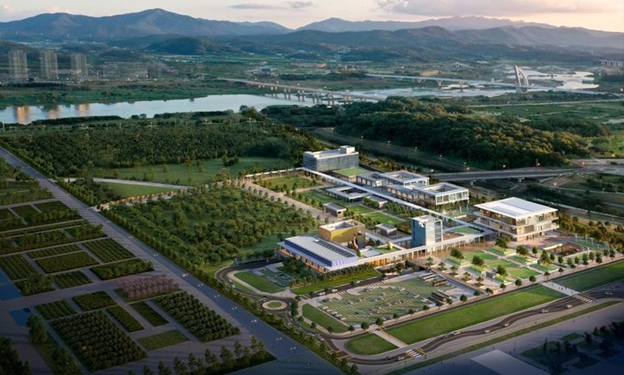
South Korea has announced an ambitious plan to establish four new museums in Sejong by 2028, accompanied by creating a National Museum Storage Facility cluster in Paju, Gyeonggi Province. This initiative, spearheaded by the Ministry of Culture, Sports and Tourism, aims to expand the country’s museum and gallery infrastructure while enhancing cultural heritage management and accessibility.
Strategic Expansion for Cultural Enrichment
The plan outlines three primary objectives: positioning museums as central hubs for national culture, revitalizing regional tourism and local culture, and advancing innovative, accessible cultural institutions.
The National Museum Complex in Sejong will host the upcoming museums, including:
- A National Urban Architecture Museum by 2026.
- A Design Museum and Digital Cultural Heritage Center by 2027.
- A National Archives Museum by 2028.
These additions reflect a commitment to enriching the cultural landscape while creating vibrant, education-focused spaces for local and national audiences.
Supporting Regional Autonomy and Accessibility
Starting next year, local governments will take on greater responsibilities for conducting feasibility studies for public museums, reflecting the Ministry’s emphasis on regional autonomy. Additionally, the museum certification process will be revised, and new operational models will be introduced to encourage innovation and sustainability.
To ensure that museums serve a broader audience, the Ministry has prioritized expanding educational programs for children, senior citizens, multicultural families, and individuals with disabilities. Specialized services tailored to these groups aim to make museums inclusive and community-focused.
Integration of Technology in Cultural Experiences
The Ministry is also leveraging cutting-edge technologies, such as artificial intelligence and immersive digital tools, to enhance visitor engagement. Incorporating digital archiving and interactive exhibits will modernize the museum experience, offering dynamic ways for the public to connect with Korea’s rich cultural heritage.
In line with global trends, these advancements highlight the growing importance of technology in the cultural sector, providing institutions with innovative methods to attract and educate diverse audiences.
Enhancing Art Donation Policies
A key reform under the new plan is the expansion of the art donation tax payment system, which allows individuals to pay inheritance tax using cultural properties or artworks. By broadening the range of eligible works, the revised system is expected to encourage art donations, enrich public collections, and strengthen the nation’s cultural assets.
Boosting Tourism and Regional Growth
This extensive investment in cultural infrastructure is poised to drive regional tourism and economic development. By creating landmark institutions in Sejong and Paju, the plan supports South Korea’s vision of making culture accessible to all, fostering both national pride and global engagement.
A Vision for the Future
Song Seok, director of the regional culture policy bureau, emphasized the Ministry’s commitment to inclusivity, sustainability, and community-oriented development. These initiatives aim to ensure that cultural institutions preserve heritage and create meaningful connections with people from all walks of life.
As South Korea moves forward with this transformative plan, the nation is set to reinforce its position as a global leader in cultural innovation and accessibility.
