



Tradition Meets Transformation
Born into a family of shoemakers in East London, Terry de Havilland understood the craft, but had a very different idea of what a shoe could look like. It is through this unique attitude that a product launched in the 70’s is still relevant and sought after today. Here, Darren Spurling, nephew of Terry and Managing Director and Owner of the company, highlights how they are keeping the rock ‘n’ roll spirit alive.
Worn by household names such as David Bowie and Bianca Jagger; when Terry de Havilland opened Cobblers to the World on the King’s Road in 1972, his platforms, wedges, metallic and bold colours fitted the energy of the period perfectly.
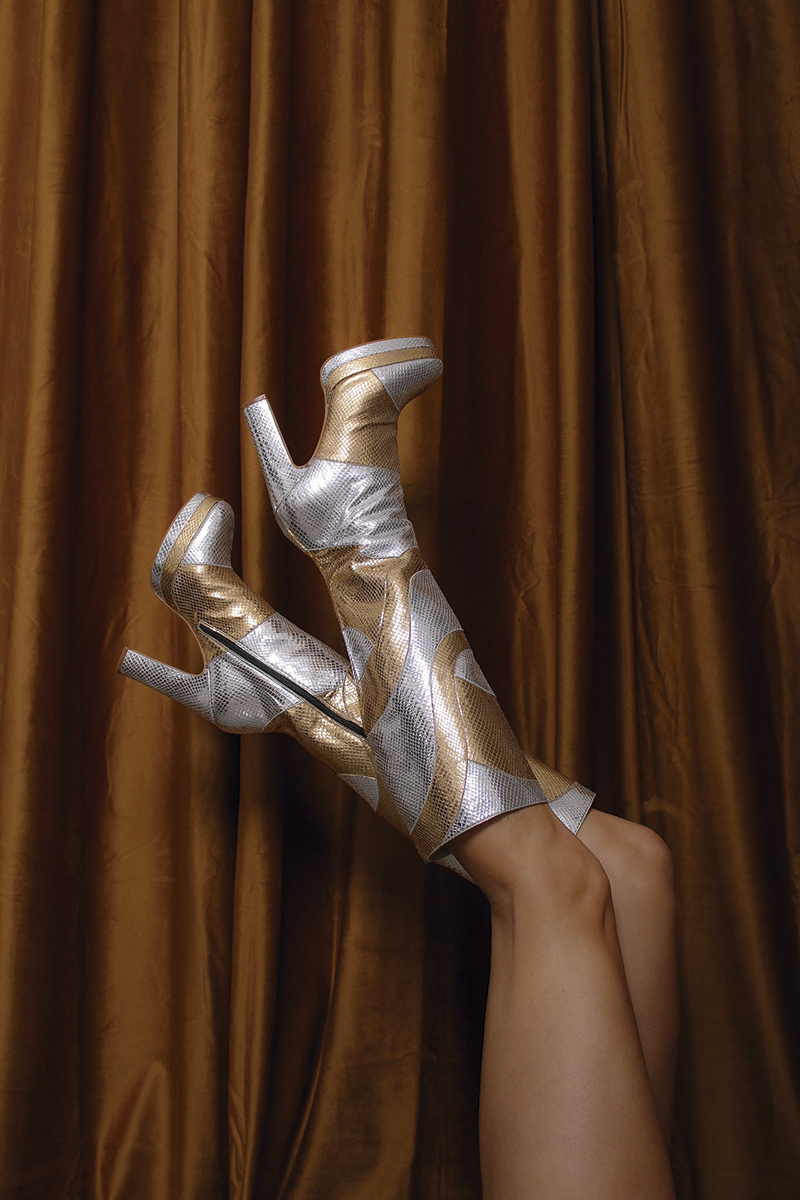
What made them distinctive was the combination of a strong silhouette and metallic snake skins. They had attitude, but they were not disposable. The fact that the Margaux wedge is still in their collection today tells you everything you need to know about the original design.
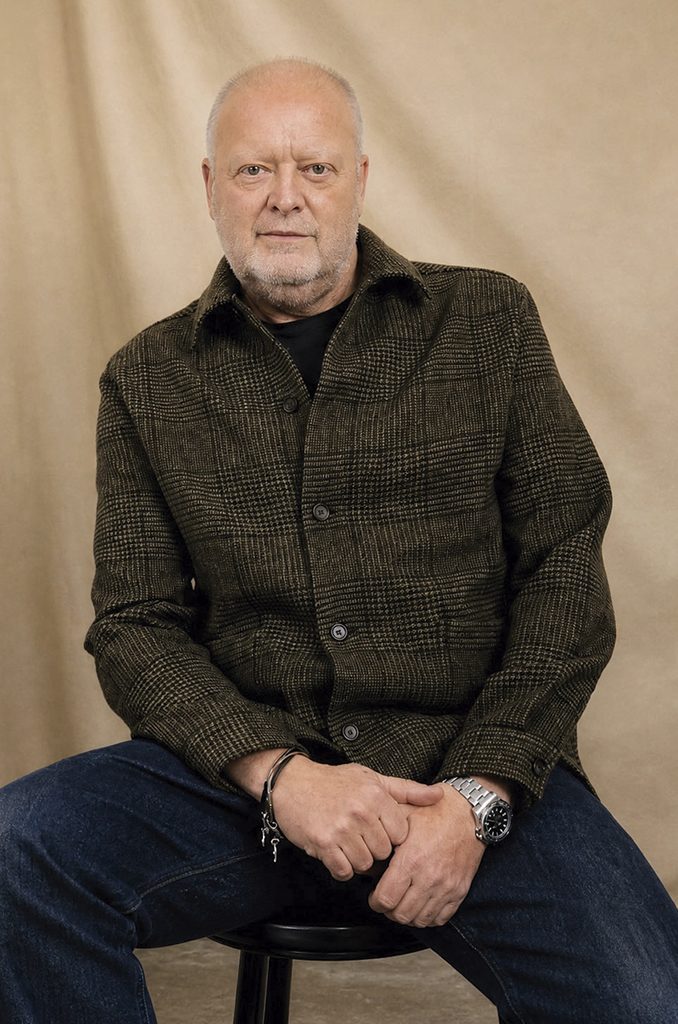
After initially assisting him with the licensing arrangements, Darren Spurling, Managing Director and Owner took the reins back in 2010 and bought the business outright in 2015. “For me, the responsibility has always been to protect what made Terry special while building a business that can carry his work forward. Today I run the business with my son Josh, ensuring the family connection continues.”
Whilst the brand is steeped in history, operations today are all about turning this unique heritage into a strong business in 2026. Developing direct relationships with customers, the next goal is to build the right retail partnerships and reach more people internationally. Darren highlights the US is an important part of that, whilst their collaboration with River Island shows that their identity extends beyond footwear.

“However, the growth has to make sense. We do not want to put the Terry de Havilland name on everything or chase distribution for its own sake. I want more people to discover the brand without losing the design, quality and character that brought them to us in the first place.”
Using the archive as a starting point rather than a rule book, the team understand that while certain shapes and proportions still work brilliantly in the market, elements such as colours, materials and the way people wear shoes can change. One of Darren’s ongoing remits has been to evolve the collection rather than reinventing it every season. He highlights that Terry was not interested in playing it safe, so simply repeating the past would not honour his legacy.
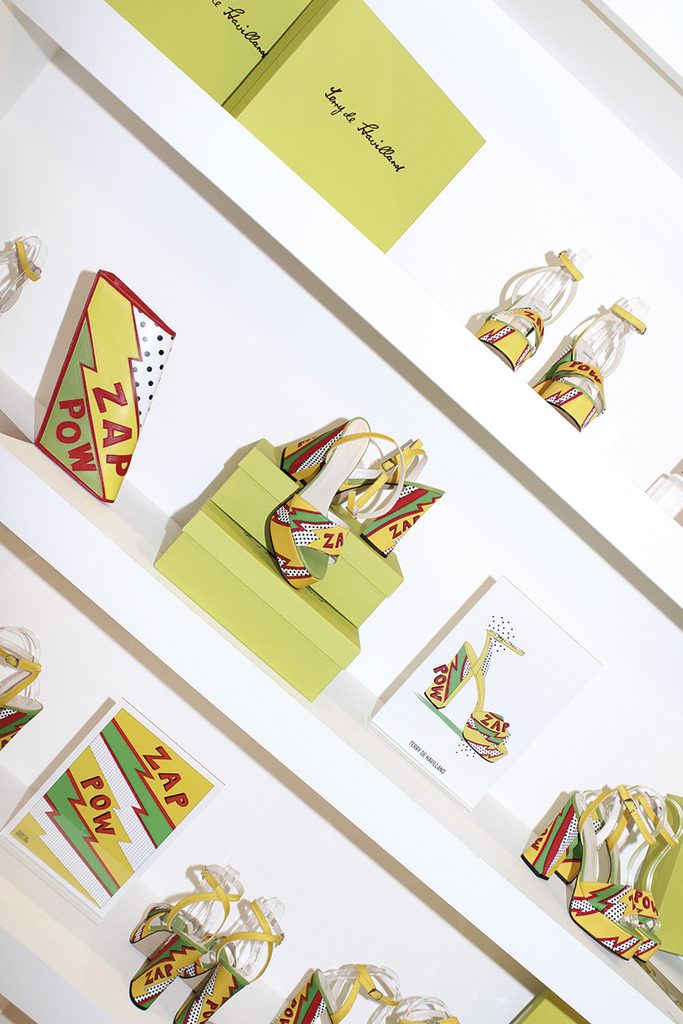
As the company grows, an absolute non-negotiable is that it remains recognisably Terry de Havilland, with the core ethos intact whatever the size of the business. With shoes, proportion, balance and comfort matter as much as the first impression. Designing in Britain and making its footwear by hand in Spain, it is this attention that is central to the brand. Any new category cannot simply borrow the name, it must carry the same care and give the customer something distinctive.
As he looks to the next stage of growth, Darren comments that wholesale can put them in front of customers who may never find them online, giving them the chance to try the shoes, an important aspect for a product with this much shape, texture and detail.
“The right retailer understands the customer, presents the collection properly and sees the value in the brand rather than treating it as another line on a buying sheet. I would rather have a smaller number of strong partners than lots of accounts with no clear fit. Direct-to-consumer remains important because it keeps us close to the customer. The two should support each other.”
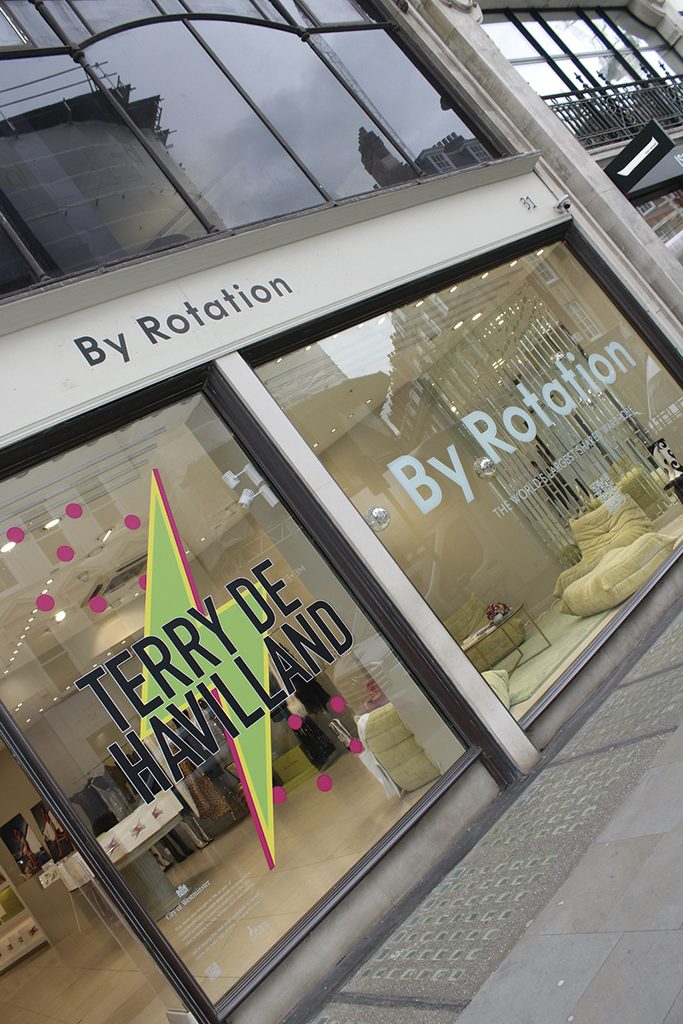
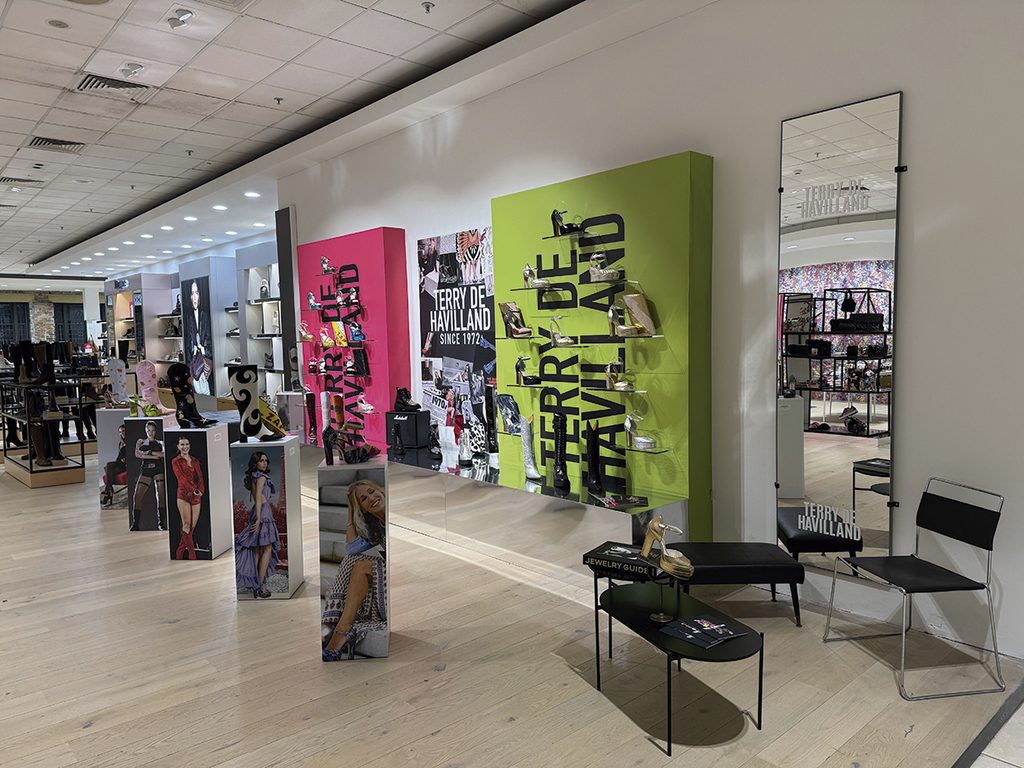
Possessing a very clear identity, there is a genuine British fashion story behind the brand and a product people recognise. This gives the brand the ingredients for a retail experience with personality, whether it is a pop-up, a shop-in-shop or a dedicated space. What is important is the right customer and a commercial model that works for both sides. Darren says that a beautiful space is not enough on its own. They need a partner who understands the brand and wants to build something with them.
“Our British identity and the connection with music and celebrity give American customers a reason to notice us. But attention has to become a good buying experience. The next stage needs the right retail partners and the practical foundations: stock availability, reliable delivery, straightforward returns and a model that works commercially. I want to build on genuine demand rather than expand simply because the market is large. The opportunity is exciting, but we have to get the execution right.”
