


Sustainability has moved beyond a brand differentiator to become a defining measure of retail success. As environmental, social and economic pressures reshape the sector, retailers are being challenged to embed responsible practices at every level – not as an aspiration, but as the new standard. Over these pages, RLI delves into the industry to point out key trends in the sector and highlight leading examples of sustainability from retailers and developments.
Sustainability has moved decisively from the margins to the mainstream of retail strategy. What was once treated as a differentiator or a corporate responsibility add-on is now a fundamental measure of performance, resilience and long-term value. As the retail industry enters a period defined by economic uncertainty, regulatory change and shifting consumer expectations, sustainability is no longer a question of if, but how well it is being delivered.
Across the sector, retailers are facing growing pressure to demonstrate tangible progress. Investors are demanding transparency and credible data, governments are introducing tougher environmental standards and consumers are increasingly aligning their spending with their values. In response, sustainability in retail is evolving beyond headline commitments towards embedded, measurable action – spanning supply chains, store design, logistics, materials, energy use and social impact.
The built environment is playing a particularly critical role in this transformation. From low-carbon construction and adaptive reuse to smarter energy systems and more efficient operations, retail property is becoming both a challenge and an opportunity in the drive towards net zero. At the same time, digital innovation is enabling retailers to better track performance, reduce waste and improve accountability across increasingly complex global operations.
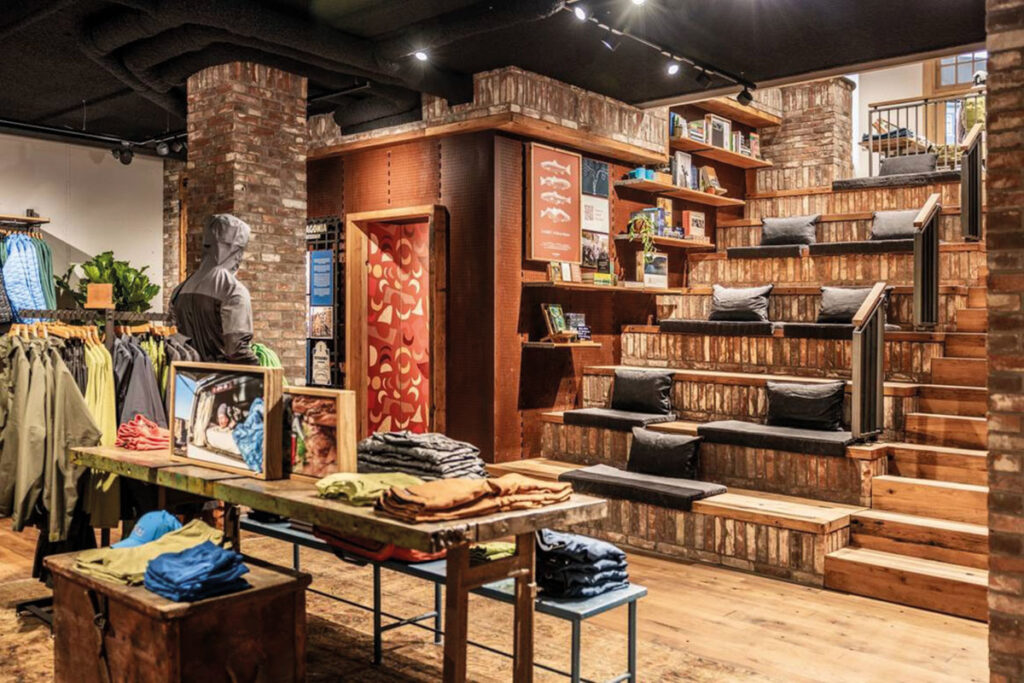
For years now, the renowned American outdoor company, Patagonia, has been working within its own business and throughout its supply chain to reduce their environmental footprint. By the end of 2025, the company will eliminate virgin petroleum material as much as possible in their products and instead use preferred materials. They are reducing their reliance on fossil fuels by creating products with recycled polyester, like their Better Sweater® jackets. In addition, this year marked the first year the brand’s packaging was 100 per cent reusable, home compostable, renewable or easily recyclable. Finally, by 2040, they will be net zero across the entire business.
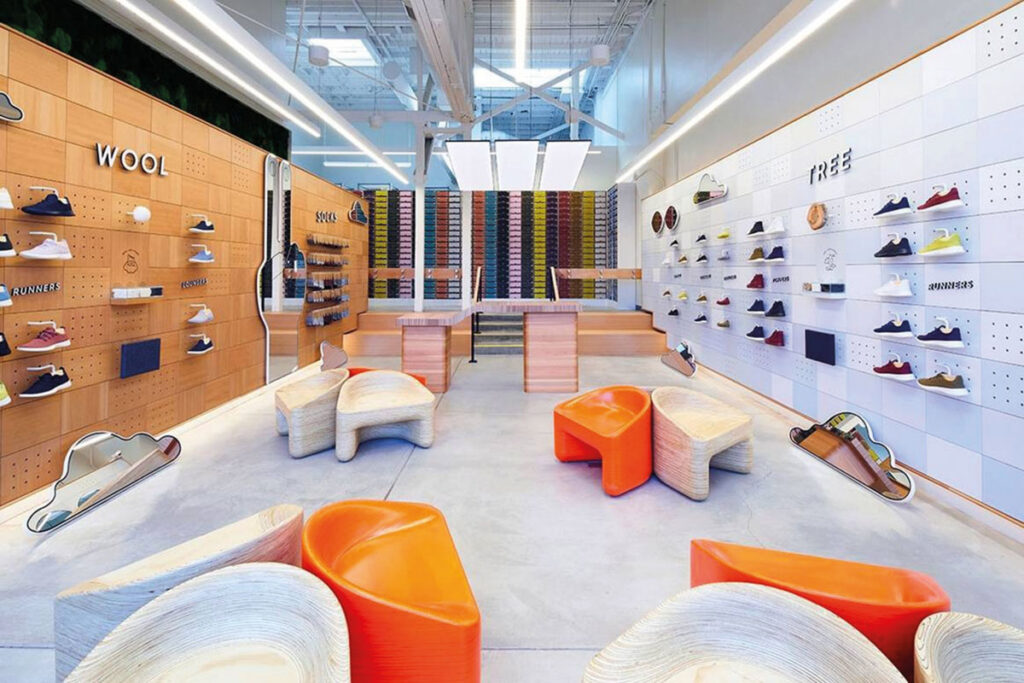
Allbirds’ sustainability strategy, called “The Flight Plan”, centres on radical carbon reduction, aiming to halve its product carbon footprint by the end of 2025 and reach near-zero by 2030, using natural materials, renewable energy, supply chain transparency and a circular economy model (like the ReRun platform) for product longevity, focusing on reducing Scope 3 emissions through regenerative agriculture and material innovation (like sugarcane EVA). They measure and disclose emissions for accountability and share innovations openly. Allbirds is also focusing on aggressive carbon reduction through regenerative agriculture (aiming for 100 per cent regenerative wool by the end of this year), replacing virgin materials with recycled ones (like textile-to-textile recycled lyocell in their Remix shoes), increasing product durability and using cleaner energy.
Over the last few years, the luxury brand Hermès has concentrated more than ever on conforming to high standards of sustainability and quality, which led to them creating their own sustainable construction standard. As part of this, in 2023 the company launched Maroquinerie de Louviers, a sustainable, energy-positive workshop which was designed by French-Lebanese architect Lina Ghotmeh and was guided by the “archaeology of the future” in the way that a building arises from its environment and the memory of its location. This building enhances the house’s local integration and its attachment to creating permanent jobs, training people in exceptional crafts and developing its artisanal know-how.
Last year, the EDEKA Future Market in Nauen, Brandenburg in Germany opened its doors to local customers under the management of Managing Director and EDEKA owner Christian Dorfmann. Sustainable measures have been implemented in all areas of the 2,500sq m sales area. For example, natural insulating materials and low-CO2 concrete were used during construction, a photovoltaic system with battery storage was installed on the roof and solar carports were installed in the car park. Rainwater is used for the sanitary facilities and the waste heat from the Waterloop refrigeration system is used to heat the store. The focus of the overall concept is on sustainability through reduction. Everything superfluous has been omitted from both the architecture and the entire shop construction. The building itself is a timber construction in passive design, which is not commonplace in the food industry. As a partner for shopfitting, store design and refrigeration, the teams at Schweitzer and Interstore contributed their expertise to develop and implement innovative solutions for the requirements in terms of sustainability.
Over the next four pages we will explore how sustainability is becoming the new standard for retail, rather than a niche ambition. Through industry insight and real-world examples, it examines the innovations helping retailers move from intent to impact. As the sector looks ahead to 2026 and beyond, the message is clear: sustainable retail is no longer a future goal – it is the foundation on which the industry’s next chapter will be built.
World-renowned brand H&M continues to consider the needs of present and future generations and conduct their business in a way that is economically, socially and environmentally sustainable. Their sustainability goals are based, where possible, on the latest science, best practice and knowledge. Collaboration is key and they believe working together will help them achieve these ambitions faster than they could alone. By 2030, they want to reduce absolute scope 1, 2 and 3 greenhouse gas emissions by 56 per cent against their 2019 baseline. This year saw the materials sourced for commercial goods certified recycled reach 30 per cent and by 2030 they want all of their packaging to come from recycled or sustainably sourced materials, with a preference for post-consumer recycled materials.

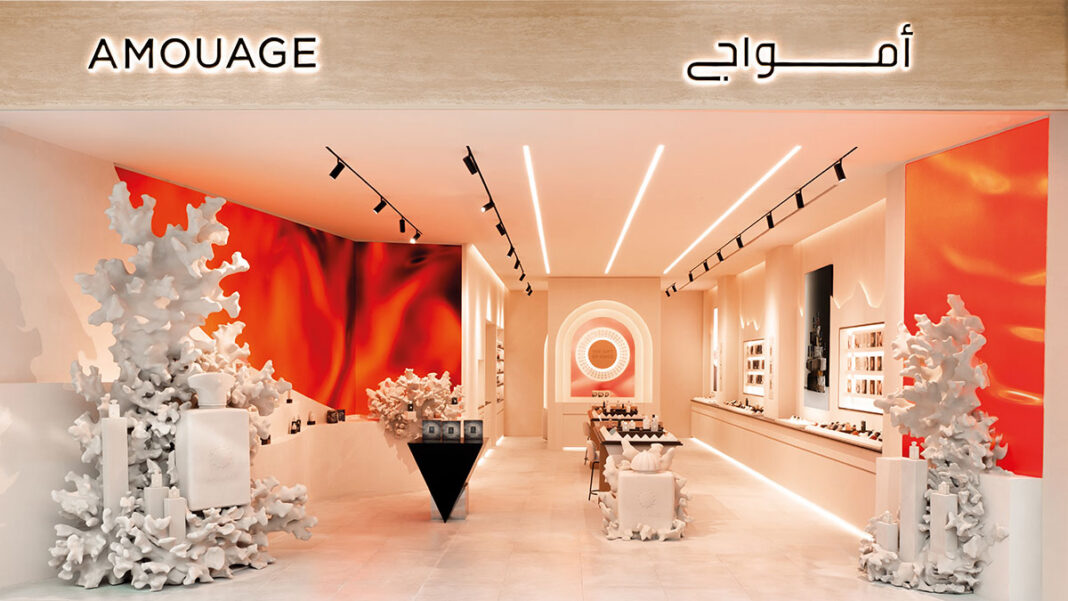
The luxury perfumery company Amouage operates with sustainability deeply embedded across its DNA and is committed to sustainability by honouring Omani heritage through responsible sourcing, long-lasting craftsmanship and a thoughtful approach to luxury that values quality, longevity and respect for both people and environment. In their home market of Oman, they have undertaken an historic partnership with Oman’s Ministry of Heritage and Tourism for the development of Wadi Dawkah in the Southern Governate of Dhofar. Spread across 5km, the UNESCO World Heritage site is home to hundreds of frankincense trees which, having flourished in the region for centuries; represent one of Oman’s most precious natural treasures. As its patrons, Amouage seeks to protect, restore and expand this ancient cradle of the valuable resin, which is a key ingredient in Amouage fragrances.
In today’s competitive retail landscape, physical shopping centres must offer more than just stores. Tanger Outlets Deer Park on Long Island, New York has set itself apart by blending world-class retail experiences with sustainability and wellness. With the centre recently achieving WELL Building Institute’s Health & Safety Rating, Tanger Deer Park demonstrates how retail facilities can prioritise customer health, sustainability and operational efficiency. The shopping centre integrates green building practices such as solar panels, energy-efficient LED lighting and eco-conscious materials to minimise its environmental impact. These efforts make Tanger Deer Park a model for retail sustainability, demonstrating how eco-friendly practices can enhance both customer satisfaction and operational efficiency. Tanger’s strategic approach ensures that it is not only meeting the needs of today’s shoppers but also setting the stage for a sustainable future.
When you think of airports, eco-friendliness and biophilia are not the first things that come to mind. However, Jewel Changi Airport in Singapore challenges that perception. Opened in April 2019, Jewel Changi is a multi-use complex featuring gardens, attractions, shops and restaurants. More impressively, it boasts a suite of sustainable features and initiatives, earning it numerous accolades and awards. Jewel Changi Airport is a unique structure that blends retail, leisure and transportation. Its centrepiece is the world’s tallest indoor waterfall, the Rain Vortex, which cascades from the roof of the dome-shaped building into a pond of over 1,000sq m. Jewel Changi is a showcase of sustainable construction and green building practices. From the outset, the project aimed to achieve the prestigious Green Mark Platinum certification from Singapore’s Building and Construction Authority (BCA). The seamless integration of nature and commerce was conducted by a consortium of architects, engineers and contractors who employed the latest technologies and materials to reduce the building’s carbon footprint, energy consumption and water usage.
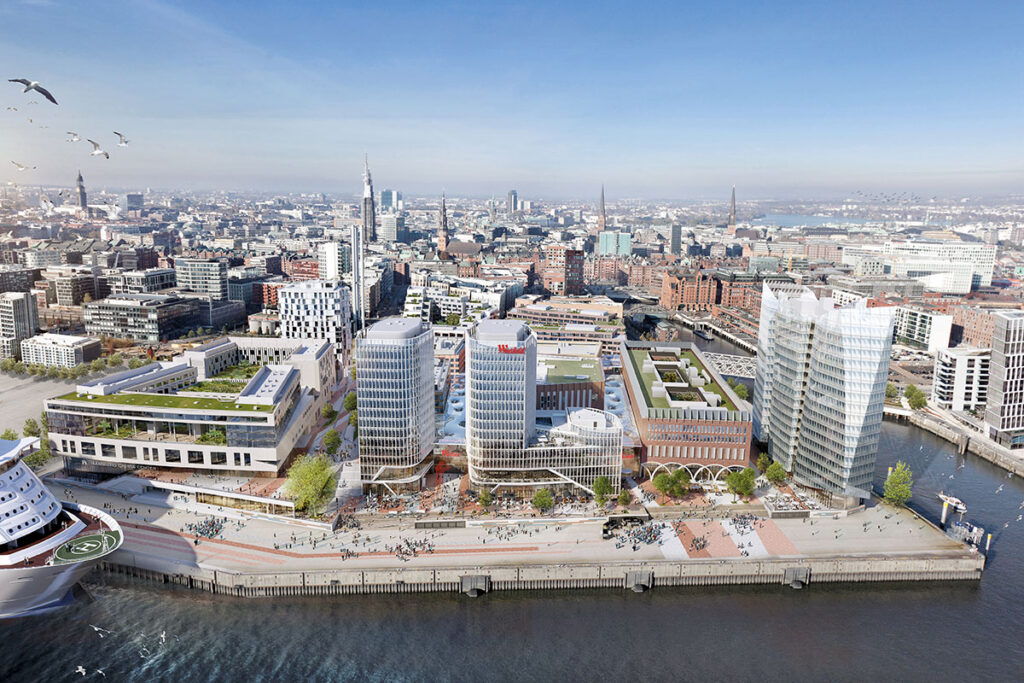
Opened earlier this year, Westfield Hamburg-Überseequartier prioritises sustainability through numerous certifications (BREEAM Excellent, DGNB Gold), using low-carbon materials (90 per cent low-carbon cement), renewable energy, extensive green spaces, sustainable mobility options (bike parking, public transport) and remediating contaminated land, making it a model for eco-friendly urban development. It’s the first German district with the “BREEAM Communities” certificate, showcasing holistic environmental and social responsibility. Built on a former industrial site, Westfield Hamburg-Überseequartier is one of the largest urban regeneration projects in Europe and was designed and realised with a clear focus on sustainability, both during construction and in its day-to-day operations. The project’s key sustainability measures include low-emission economic systems, promotion of new types of sustainable mobility at an early stage, integration of its business activities into the local community and involvement of the entire team and all stakeholders in terms of a joint sustainability focus.
Earlier this year, Islazul shopping centre in Madrid was named the world’s most sustainable shopping centre, according to a recent report from BREEAM® (Building Research Establishment Environmental Assessment Methodology). The centre achieved the highest score worldwide based on key factors such as energy efficiency, reduction of pollutant emissions, waste management, water consumption and the well-being of shopping centre users, among others. With 90,000sq m of space, Islazul, owned by Henderson Park and Eurofund Group, is one of the largest shopping centres in Spain, attracting nearly 12 million visitors annually. It offers more than 180 stores across a variety of sectors and features over 4,300sq m of green areas. The new sustainability strategy implemented over the past year has enabled the centre to climb the ranks across all categories of the BREEAM® methodology (Health & Wellbeing, Water, Energy, Transport, Materials, Waste, Land Use & Ecology and Pollution).
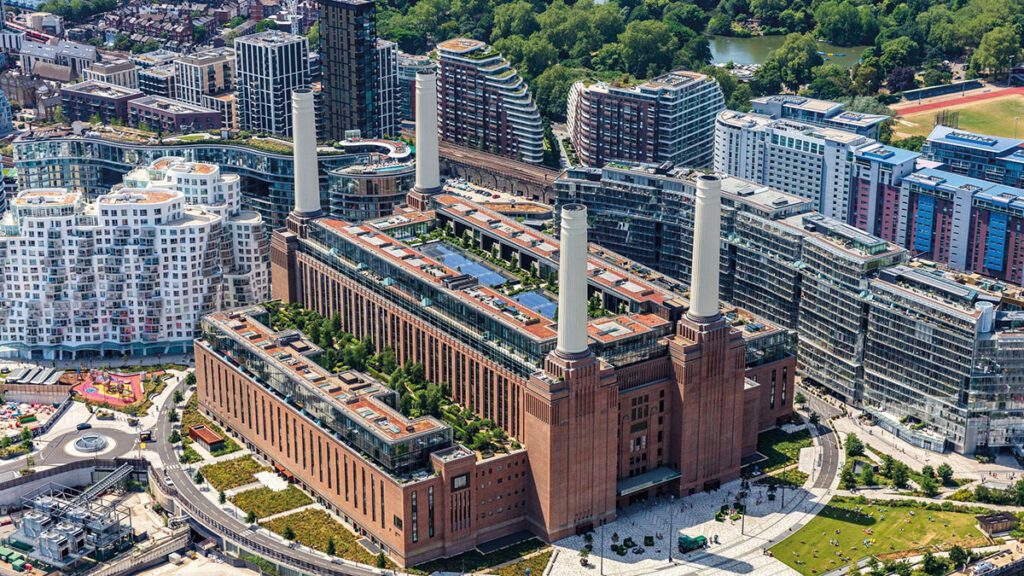
To achieve its vision of “creating a place that embraces its heritage, engages with its present and protects its future”, the Battersea Power Station project in London is focusing on four inter-connected sustainability priorities. The four priorities are jobs & education, economy, environment and community. The environment was a key consideration for the redevelopment of Battersea Power Station and their focus is guardianship of the unique heritage of the site, effective resource management and the responsible and innovative provision and use of energy. Within the centre itself, many of its tenants are also involved in sustainability measures. From beauty refill stations, recycling schemes, clothing repairs and so much more, guests and tenants continue to work together to make a difference and make the scheme a place to shop more sustainably.
King Salman Park, one of the megaprojects taking shape across Riyadh, Saudi Arabia, sits on an area that spans more than 17.2sq km. Strategically located, the park will be easily accessible to many with links to several main roads, as well as being connected to the Riyadh metro and Riyadh bus network stations. In addition to the vast green areas that make up the largest share of its area, the park will include a wide range of artistic, cultural and sporting attractions, activities and multiple areas of outstanding natural beauty for walking, together with commercial and residential areas. Read more about this game-changing project in this month’s Cover Story.
Away from traditional retail stores and centres, there are other examples of sustainability initiatives in the sector.
For example, Hotel Svart is a groundbreaking real estate development project that will uniquely combine luxury and sustainability. With a vision to create a hotel that sets new standards for environmentally friendly construction and operation, partners Net Zero Compute are looking to build the most innovative hotel of its kind and it is on course to open in 2027. Hotel Svart is more than just a hotel – it is a symbol of the future of sustainable tourism. Inspired by the pristine nature around us, the partners aim to create a hotel that not only minimises environmental impact but also inspires a more sustainable lifestyle. The project was born out of a desire to preserve the spectacular nature surrounding Svartisen. Through innovative design solutions and sustainable construction techniques, they aim to integrate the hotel seamlessly into the surrounding landscape.
Meanwhile, Jumeirah, a global leader in luxury hospitality and member of Dubai Holding, has announced the launch of Jumeirah Eco Village – a thoughtfully curated sustainability destination at Madinat Jumeirah designed to inspire sustainable living through engaging, educational experiences. Jumeirah Eco Village offers a dedicated platform that brings to life Jumeirah’s initiatives in environmental protection, biodiversity conservation, food security and responsible production. The destination supports the brand’s mission to curate distinctive and purposeful guest experiences through a curated journey that uses immersive storytelling and interactive exhibits. Visitors are taken on a multi-sensory journey beginning with a homegrown beehive at Madinat Jumeirah. The destination also highlights Jumeirah’s extensive marine conservation work, including dedicated exhibits that showcase the brand’s Dubai Turtle Rehabilitation Project (DTRP). Alongside these initiatives, visitors can explore Jumeirah’s broader commitments to waste reduction, circularity, responsible sourcing and decarbonisation. The experience concludes with a plastic-repurposing workshop, where guests are invited to transform existing plastic waste into new, functional products as part of the Jumeirah Recycle Hub powered by UAE-based climate tech start-up, Midori Network.
