


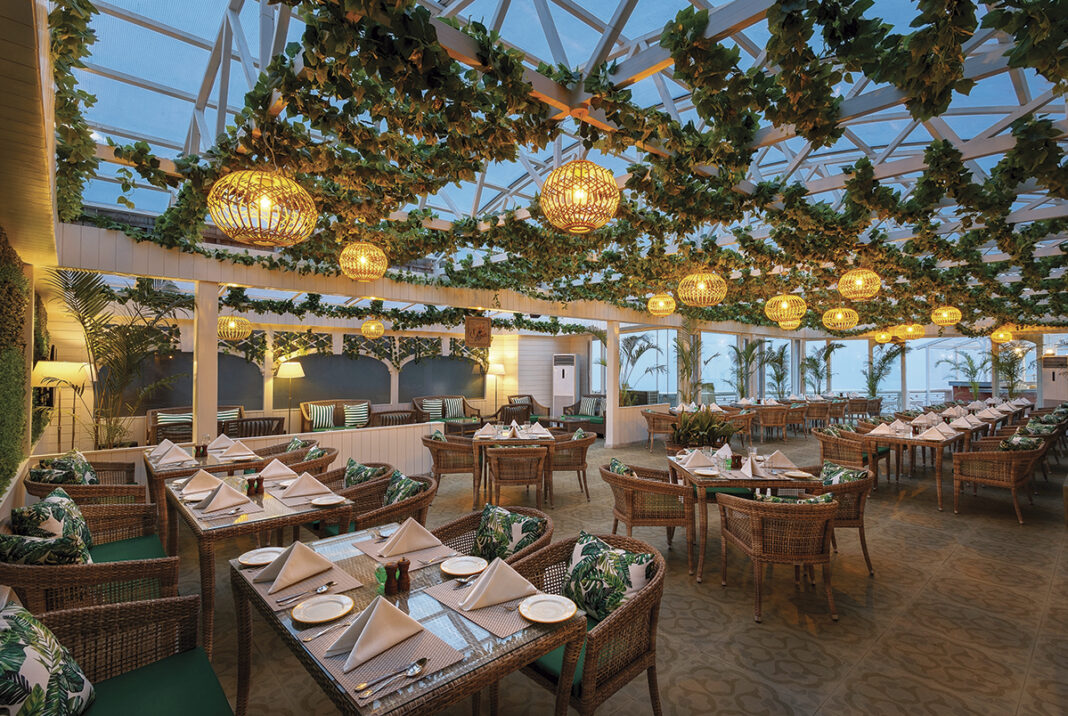
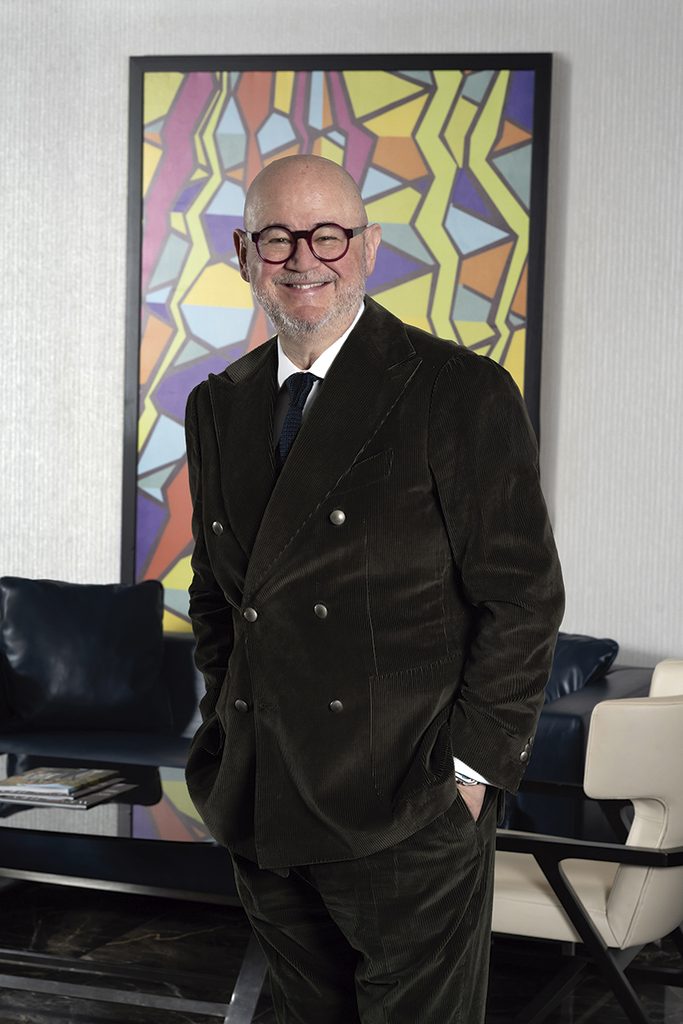
In the Leisure Insight for this issue, Dimitris Manikis, President EMEA, Wyndham Hotels & Resorts takes some time out to discuss with us how successful hotel developments today depend on local community engagement.
For years, scale was one of the most critically important metrics in the hospitality industry. The biggest brands, the largest developments and the greatest expansion plans were seen as the clearest indicators of growth and achievement.
But in today’s world, this looks quite different. Although scale will always remain important, other factors are coming to the forefront. Today, the hotels that stand out are the ones that genuinely reflect the communities in which they operate and offer every guest that walks through their doors an authentic experience.
This shift mainly comes from changing traveller expectations. Guests are no longer simply looking for somewhere to stay. They are looking to connect with a destination and to better understand it. HBX Group found this to be true in a recent research study, with 75 per cent of travellers reportedly seeking culturally authentic experiences and 69 per cent want their travel spending to benefit local communities.
For hoteliers and developers operating in today’s busy market, this is both an opportunity and a challenge. Now more than ever, creating a successful hotel means looking beyond the asset itself and understanding the community it is embedded in.
The trend is reshaping the destinations people choose to visit too. Expedia research found that 63 per cent of people are likely to visit less crowded destinations as part of their future travel plans, as demand remains strong for unique experiences. As a growing number of travellers look beyond traditional hotspots, new opportunities are being uncovered for developers and hoteliers in a wider range of destinations that haven’t previously entered the spotlight and remain undiscovered.
But how can developers ensure a hotel genuinely reflects its destination?
Having worked with hotel owners and developers across Europe, the Middle East and Africa, I have seen first-hand how authenticity can be embedded at every level. From city-centre locations, beach front resorts and branded residences, the answer is consistent: the most successful developments are the ones that consider this from the very beginning of a property’s journey.
Too often, authenticity is an afterthought. Locally sourced artwork, food and beverage options and activities adapted to fit the culture are all critical to the overall offering, but to truly connect with a destination, it needs to run deeper than design elements and amenities.
A genuine understanding of a community comes from engaging directly with the people who live it every day. By listening to locals and stakeholders, valuable insights can be gained to help shape a hotel’s offering. Community engagement remains one of the most important ways to understand local priorities and the earlier it is considered in conversations, the better chance developers have of success.
Community engagement can drive long-term support, which ultimately leads to commercial benefits. When communities feel a part of something, they become more invested in ensuring it thrives. This aligns with consumer priorities too, with travellers reporting their motivations shifting towards fulfilment, connection and community-driven. Hotels that demonstrate a genuine and positive impact on the communities around them are well-positioned to respond to the types of experiences today’s traveller is looking for.
This is one of the reasons franchise models remain hugely beneficial within the hospitality sector. At Wyndham Hotels & Resorts, we see how working with local owners brings a huge advantage for a global brand, resulting in hotels that connect with the destination and those travelling to it. Combining local expertise with access to technology and operational support from a global business sets up a mutually beneficially partnership for all parties. Through these partnerships, travellers are able to guarantee consistency and quality, with the knowledge that the offering will be true to the local communities.
As our industry evolves and competition intensifies, the focus for the industry must be on creating properties that are built for long-term success. The developments that will stand the test of time are those that place the communities at the heart of their plans. It is no longer about providing a place to stay but rather creating a unique moment for guests. That’s why engaging communities is no longer a nice-to-have. Tapping into this will be critical in delivering hotel projects that are not only commercially successful but are also an important asset to a community for years to come.
