


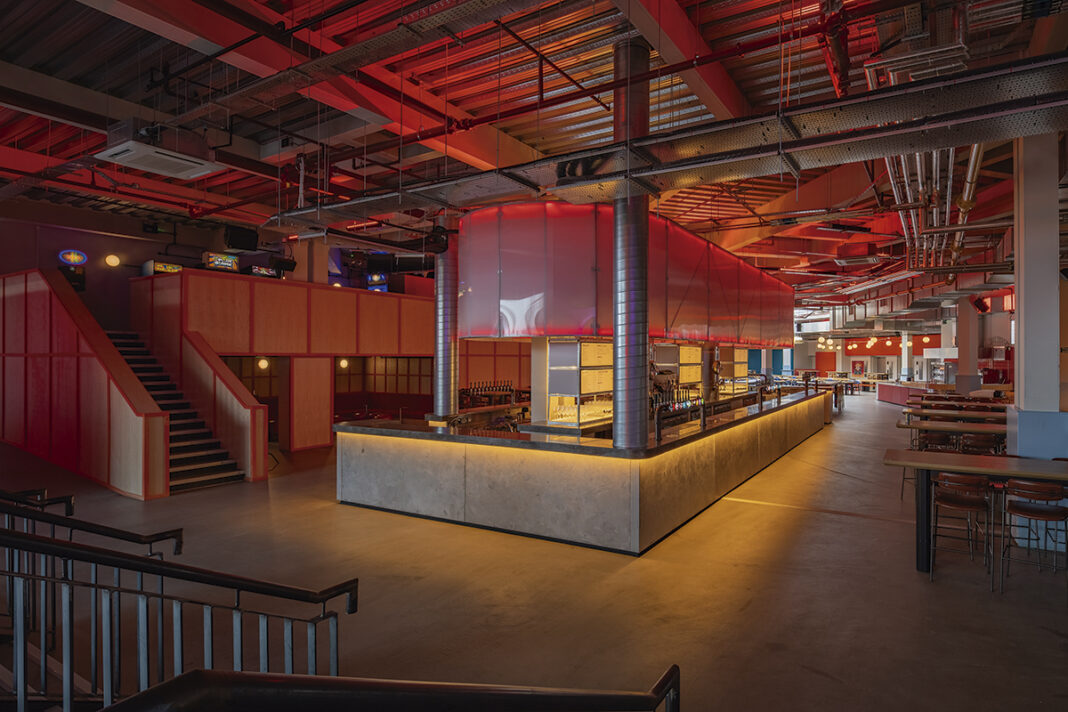
An Urban Playground
Freight Island is redefining the city-centre experience, bringing together food, drink, live music, fashion, entertainment and culture while demonstrating how experience-led concepts can drive footfall, placemaking and regeneration. RLI speaks to Dan Morris, CEO of Freight Island, Barry Cox, CIO of Pradera and Helen Cowie, Centre Director of Eldon Square about a concept that is challenging traditional definitions of hospitality and leisure.
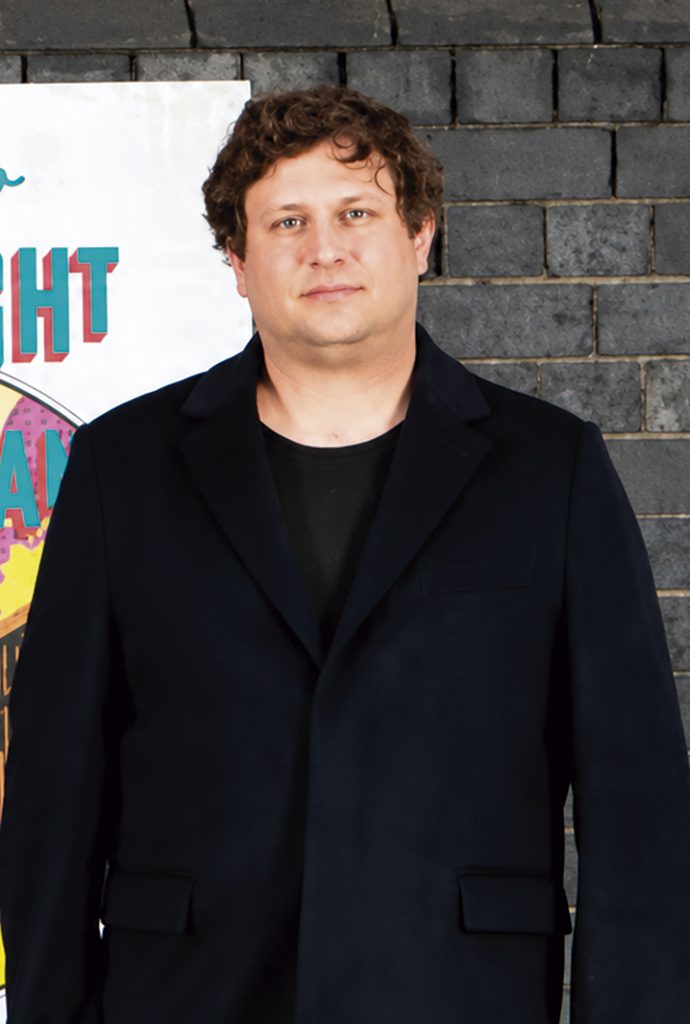


Helen Cowie
The boundaries between retail, hospitality, leisure and entertainment are disappearing. Consumers increasingly expect destinations to offer more than somewhere to shop, eat or drink; they want places that provide atmosphere, discovery and experiences worth returning for.
It is within this changing landscape that Freight Island has established its proposition. Bringing together food, drink, music, entertainment and culture, the concept is deliberately not built around one format or single reason to visit.
“People want quality and value, but they also want energy, atmosphere and a sense that something is happening,” says Dan Morris, CEO of Freight Island. “They are increasingly selective about where they spend their time and money.”
For Morris, the challenge is creating a recognisable identity without becoming predictable. Fresh local talent and programming are fundamental, giving each destination the ability to evolve and remain connected to its audience.
It was this adaptability that particularly attracted Pradera. CIO Barry Cox describes Freight Island as a “highly differentiated, multi-dimensional concept” whose ability to continually refresh its food operators, events, performances and experiences provides resilience and long-term relevance. More importantly, its impact has the potential to extend far beyond the walls of the venue.
“Freight Island’s real point of difference is not simply providing space for food and beverage operators, but its ability to programme and curate experiences that bring destinations to life,” says Cox.
That ability to generate footfall, increase dwell time and enhance destination appeal was central to Pradera recognising the potential for Freight Island within a wider mixed-use and retail environment.
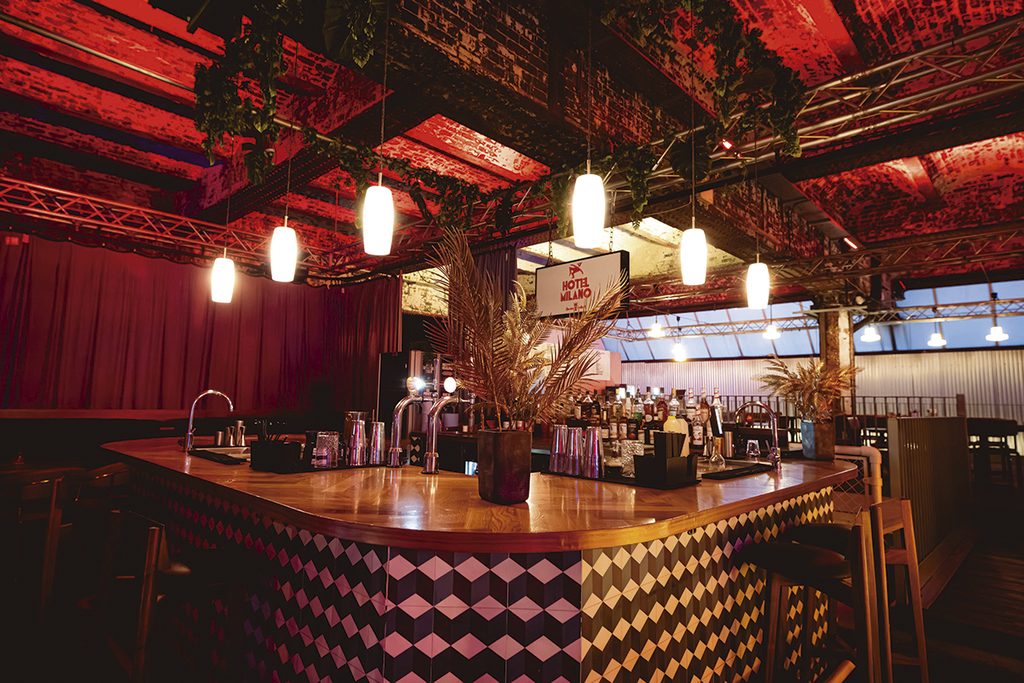
That thinking has been brought to Newcastle, where Freight Island has delivered what Morris describes as its “most ambitious expression” of the concept to date.
Located at Eldon Square, the new venue has been designed with sufficient scale and flexibility to transition between everyday hospitality and major cultural moments.
At its heart is a broad food and beverage offer spanning accessible casual dining through to WYLD, an elevated restaurant, cocktail and entertainment experience combining live-fire cooking and a serious drinks programme with DJs, live music, cabaret and performance.
Beyond dining, the programme encompasses live music, club nights, family entertainment, markets, fashion, art, screenings and major sporting events, alongside CRUX, a dedicated live music and entertainment venue.
“The standout feature is not any single element,” explains Morris. “It is the ability to experience the building differently depending on when and why you visit.”
For Eldon Square, Freight Island forms part of a much broader evolution. Having been at the heart of Newcastle’s retail landscape for 50 years, the destination is itself responding to changing patterns in how consumers use city centres.

“We’re focused on creating a destination that offers much more than traditional retail, with a compelling mix of brands, food and beverage, leisure and experiences that reflects how people want to spend their time today,” says Centre Director Helen Cowie.
Freight Island, she believes, adds another reason to visit while broadening Eldon Square’s appeal beyond shopping. “We know this will support footfall and dwell time, but equally it’s about enhancing the overall experience and creating a more dynamic environment.”
This convergence has important implications for property owners and investors. Rather than viewing experiential operators simply as tenants, Cox and Morris advocate a partnership in which the operator becomes part of the wider asset strategy.
The opportunity is particularly powerful when activating underutilised space. Freight Island’s accessible food and drink proposition can generate regular local visitation, while music and entertainment can attract audiences from a considerably wider catchment, creating opportunities for cross-shopping and supporting the wider destination.
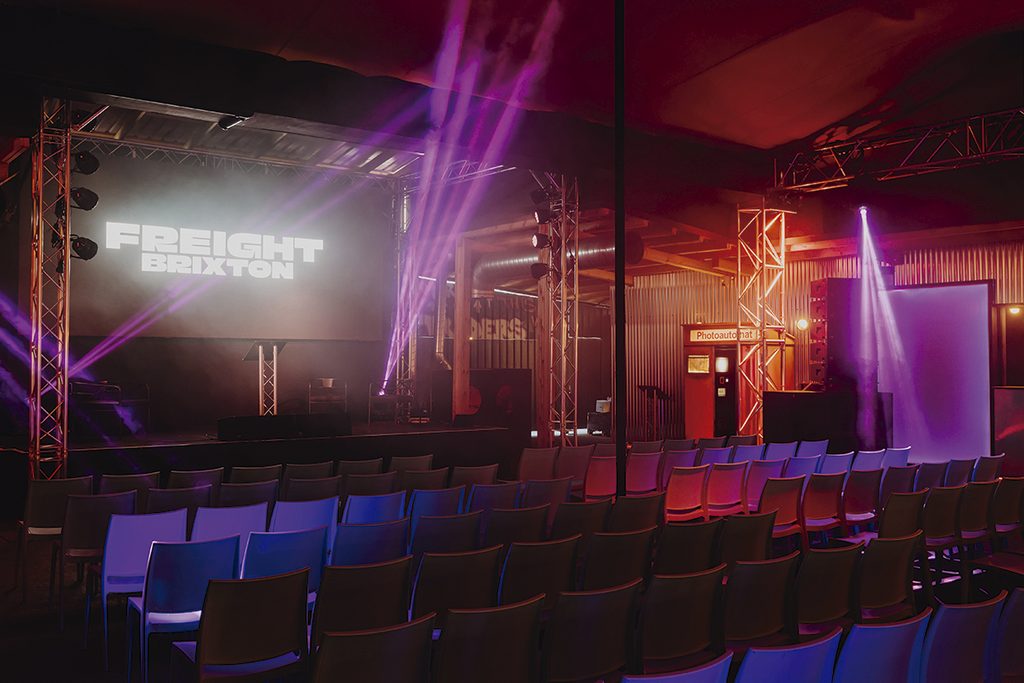
Newcastle is only part of a wider growth story. Manchester remains Freight Island’s original home, with the business exploring new ways to utilise the wider Depot Mayfield site and broaden its everyday appeal. Leeds is also in development, envisaged as a highly flexible city-centre venue built around live entertainment, sport, screenings, family programming, food and drink.
Yet expansion will not mean replication. “Every Freight Island must belong to its city,” says Morris. While food, drink, music, entertainment, culture and flexibility provide a consistent philosophy, individual destinations will respond to their buildings, audiences and local food and music scenes. “Freight Island is intended to be a platform, not a template imposed on a city.”
International expansion could eventually follow. Europe, the Middle East and North America are identified as markets where the convergence of food, music, culture and social life could provide fertile ground, particularly within major mixed-use and regeneration projects. But any overseas development would require strong local partners and genuine understanding of its city rather than simply exporting a UK formula.
For Cox, who spent more than a decade working in Asia, international markets provide an indication of where the UK is heading. The integration of retail, hospitality and leisure has long been more advanced across parts of Asia and the Middle East, but the UK is now catching up.
“The destinations that succeed will be those that offer something people want to experience, not simply somewhere they go to shop,” he says.
The ambition, says Morris, is not to put the same product into as many cities as possible, but to build one of the most distinctive hospitality and cultural destination brands to emerge from the UK – creating significant places that contribute to the cultural life of their cities.
Ultimately, the aspiration is for Freight Island to become a platform where hospitality, music, culture and property combine to create genuine long-term value: a brand people trust, but one they can never entirely predict.
