


While the retail industry as a whole is constantly evolving, the luxury sector is one that has altered dramatically in recent years due to changing consumer behaviour, the rise of digital channels and a greater emphasis on sustainability and personalisation. Over the following pages, RLI takes a look at the luxury sector and its key trends.
Luxury Retail has never stood still. It adapts, evolves and consistently redefines what it means to offer value, desire and experience. Once synonymous with exclusivity behind polished windows and doormen, luxury retail today is a hybrid of heritage and high-tech, storytelling and sustainability, immersion and innovation.
As we enter a new golden age of global luxury – propelled by the rise of Gen Z, the influence of Asian markets and a demand for cultural and environmental consciousness – brands and retailers are reimagining every facet of the customer journey. Here, we chart the evolution of luxury retail and spotlight world-class examples leading the way.
The Digital Transformation of Luxury
Luxury brands were once cautious about e-commerce. Today, digital sophistication is a prerequisite. Mobile-first platforms, personalised CRM, livestreaming, virtual try-ons and immersive content have made digital a growth engine for luxury.
Mytheresa exemplifies excellence in this domain. The German platform has redefined what it means to serve the top one per cent of global customers. Its curated drops, private client programme and sharp editorial voice turn digital browsing into an aspirational journey.
Meanwhile, Gucci has mastered the art of digital localisation, particularly in China, where it uses platforms like Tmall and WeChat to connect with consumers through tailored storytelling and exclusive campaigns.
Burberry has also been a digital trailblazer. The British brand was one of the first to live-stream runway shows and integrate augmented reality via Snapchat. In partnership with Tencent, it opened a social retail store in Shenzhen where customers engage through WeChat to unlock experiences, preview collections and earn rewards, blurring the lines between retail, content and community.


Retail as Cultural Canvas
Today, the store must do more than sell. It must inspire, entertain and create lasting emotional connections. The rise of experience-driven retail is evident across the world’s top luxury players.
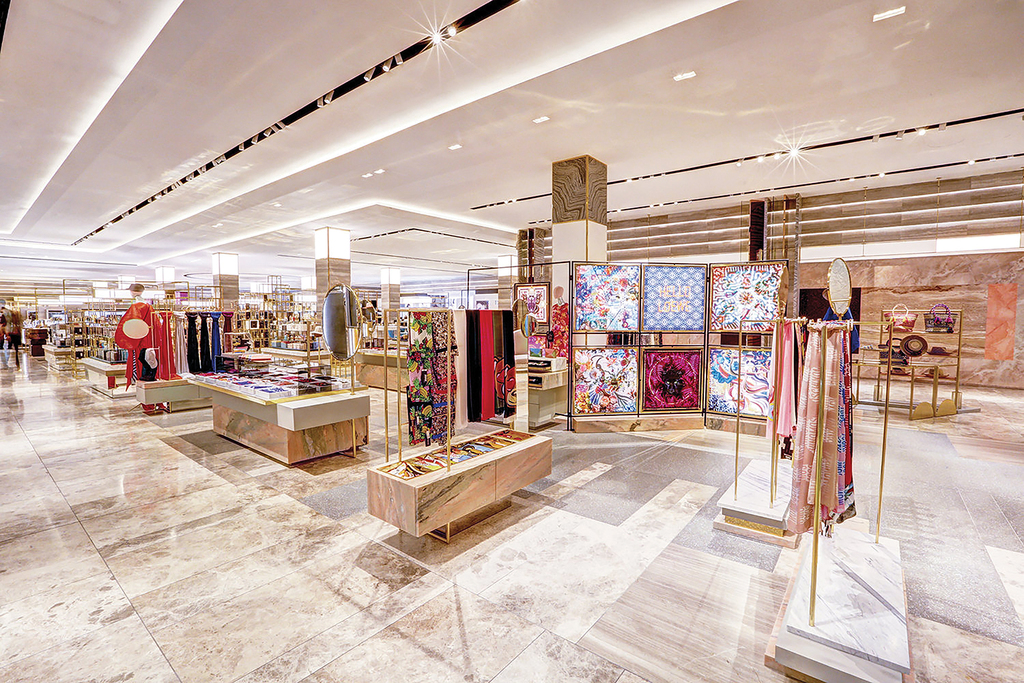
Selfridges London has redefined what a department store can be. Art installations, genderless fashion zones, concept spaces and live cultural programming have transformed its Oxford Street flagship into a cultural institution.
Printemps New York is another beacon of innovation. The French heritage retailer’s Manhattan store showcases not only exclusive merchandise but also curated vintage collections, five hospitality concepts and immersive design that respects both Art Deco heritage and modern consumer sensibilities.
The Department Store Renaissance
Department stores are staging a powerful comeback – not by mimicking the past, but by leading the future. These iconic spaces are blending commerce with culture, legacy and digital flair.
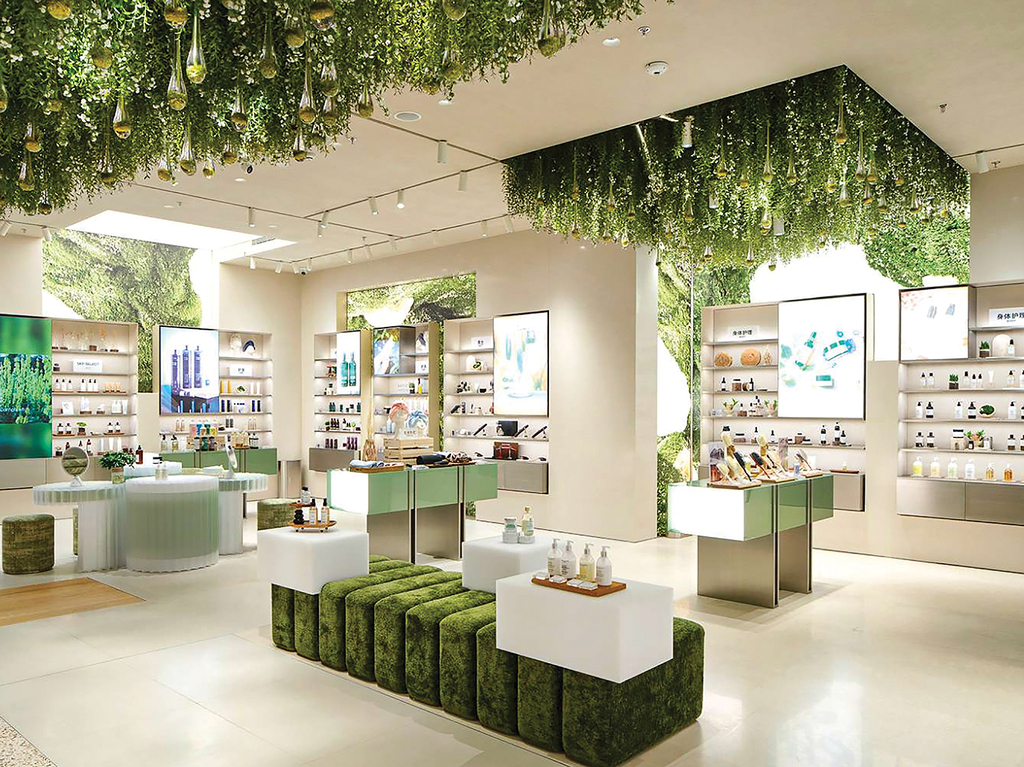
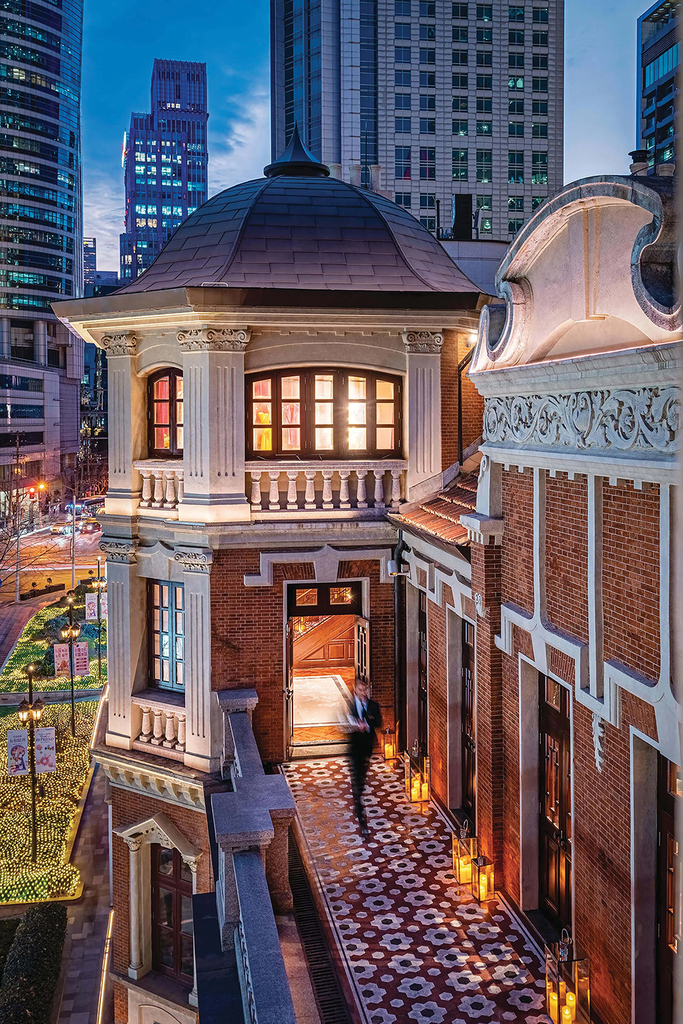
Harrods remains a global benchmark for refined opulence, continually evolving through initiatives like its expanded Fine Watches and Beauty Halls and the ultra-exclusive Residence private client space in London. Its global ambitions are reflected in Shanghai with the launch of The Residence, a private members’ club located within the historic Cha House in Jing’an District. Designed for China’s ultra-high-net-worth individuals, this venue offers a curated fusion of British luxury and local cultural nuances. While not a full-scale department store, The Residence marks a strategic move to deepen Harrods’ engagement in the Chinese market through exclusive, experience-led offerings. Alongside this are its expanding H Beauty concepts across the UK, where Harrods demonstrates how heritage can powerfully drive modern luxury forward.
In Asia, SKP Beijing is the world’s top-performing luxury department store by sales. But it’s SKP-S Shanghai that redefines the future of retail. Developed with Gentle Monster, this science fiction-inspired luxury mall fuses AI, art installations, futuristic narratives and high fashion to deliver one of the world’s most radical retail experiences.
Lane Crawford, with its flagship in Hong Kong, continues to act as a cultural gatekeeper. Hosting curated fashion edits, art-driven collaborations and China-focused emerging designer support, it exemplifies a truly global-local mindset.
Harvey Nichols, both in the UK and internationally, has embraced its role as a tastemaker. Its London flagship weaves together beauty, fashion and dining in a boutique-like format, while its presence in Doha blends high fashion with Middle Eastern luxury expectations, including private shopping salons and personalised services.
Sustainability as Status
Luxury and sustainability are no longer opposites. Today, luxury brands are integrating environmental stewardship and ethical transparency into their core identities.
Gabriela Hearst leads with purpose, creating collections that are both elegant and consciously crafted. Her stores use natural, untreated materials and champion carbon neutrality.
Meanwhile, resale platforms like The RealReal and Vestiaire Collective have made pre-owned luxury aspirational. Brands such as Stella McCartney and Gucci have partnered with these platforms, recognising that luxury ownership today includes legacy, reuse and circularity.
The Kering Group, parent to Gucci, Saint Laurent and Bottega Veneta, has embedded sustainability across all levels of its business. Through its Environmental Profit & Loss (EP&L) reporting and investment in regenerative agriculture, Kering is leading the charge toward more sustainable supply chains and circular innovation, setting a precedent for luxury conglomerates worldwide.
Hyper-Personalisation and High-Tech Clienteling
Data and AI have enabled a new level of luxury clienteling. From predictive analytics to virtual concierge services, brands are designing bespoke experiences both online and offline.
Bvlgari is pioneering creative direction that fuses artistry with function. Its appointment of Mary Katrantzou has brought sculptural, meaningful luxury objects to the forefront, resonating with a new generation of collectors.
Ralph Lauren has enhanced its retail and digital environments through refined storytelling and AI-powered customer insights, allowing the brand to reassert its premium positioning while attracting younger consumers.
Global Reach, Local Relevance
Luxury’s expansion is no longer about geographic footprint alone – it’s about cultural fluency.
Chanel’s Market Street flagship in Sydney is a masterclass in luxury localisation. Blending Australian sandstone with Parisian interiors, it elevates the in-store experience with salons dedicated to high jewellery and watchmaking, bringing French savoir-faire to an antipodean audience.
Tiffany & Co., now under LVMH, is refreshing its brand globally. In Brisbane, Australia, its new boutique reflects both heritage and innovation with its bespoke salons and regional exclusives.
Embracing Emerging Tech
Technology in luxury retail is no longer an add-on – it’s a core brand expression.
Swarovski, under Giovanna Engelbert’s creative direction, has embraced AI and digital transformation while launching high jewellery collections and retail experiences that merge glamour with digital storytelling.
Following the merger with Neiman Marcus, Saks Global is investing heavily in AI and customer analytics to redefine omni-channel luxury, even as it navigates the complexities of consolidation.
New Luxury Ecosystems: Hospitality, Wellness & Leisure
The lines between luxury retail, hospitality and lifestyle are increasingly blurred. Brands are creating full ecosystems where shopping is only one part of a broader aspirational experience.
Dior’s transformed flagship at 30 Avenue Montaigne in Paris is a perfect example. Spanning over 100,000sq ft, the space features a museum, private haute couture salons, a fine-dining restaurant by Jean Imbert and a patisserie – all within an environment steeped in Dior’s design codes. This immersive retail palace sets a new benchmark for experiential luxury tied deeply to brand storytelling.
Sands Shoppes Macao is the largest network of interconnected malls in Macao with approximately 850 retail stores and a total of 2.2 million square feet of opulent retail space. A prime retail destination in Asia’s most exciting city, a key part of this scheme is the Shoppes at Londoner, which charms its luxury clientele with a full British heritage experience. The sheer scale of each, along with an extraordinary selection of world-renowned luxury fashion brands, translates into an impressive retail destination that attracts fashion enthusiasts and collectors from around the world.
In the Middle East, The Galleria on Al Maryah Island in Abu Dhabi integrates luxury retail with art installations, wellness clinics and fine dining. Anchored by houses like Louis Vuitton, Cartier and Hermès, it embodies the modern-day luxury lifestyle destination, offering curated experiences for high-spending clientele.
Meanwhile, with a vision of enhancing Qatar’s developing retail ecology, the Place Vendôme luxury mall was designed to be a high-end lifestyle destination. In line with the country’s goals of becoming a world-renowned centre for shopping, hospitality and entertainment, the concept is set to further solidify its position as a leading choice for international travellers and high-net-worth individuals as it passes its third anniversary.


Hybrid Retail Models & Pop-Up Luxury
As luxury consumers become increasingly mobile and experience-driven, brands are turning to hybrid formats and pop-up activations to create buzz and exclusivity in new markets.
Louis Vuitton’s LV Dream concept – a travelling art-meets-retail installation – has made stops in Paris, Seoul and beyond. It combines immersive exhibition spaces with cafés, customisation zones and archival retrospectives, offering a limited-time-only luxury world.
Jacquemus, known for its irreverent approach, launched the Le Bleu pop-up at Selfridges London. Styled like a surrealist bathroom, the concept brought together retail theatre and exclusivity, reinforcing how pop-up luxury can double as a cultural spectacle.

The Rise of Experiential Flagships
Luxury flagships are evolving into brand universes – destination spaces that celebrate identity, inspire loyalty and drive emotion-led engagement.
Cartier’s Mansion on Fifth Avenue in New York is a masterclass in preserving heritage while elevating luxury. The restored Beaux-Arts building houses not just exquisite collections but rotating art exhibits, exclusive salons and private event spaces, turning every visit into a cultural moment.
In South Korea, Gentle Monster’s Haus Dosan is a multi-brand, multi-sensory space featuring its eyewear, cosmetics brand Tamburins and fashion label Nudake. Constantly changing installations blur the line between commerciality and creativity, making it a must-visit for design-savvy millennials and Gen Z shoppers.


Legacy Meets the Future
The evolution of luxury retail is not a linear journey – it is a symphony of reinvention. Heritage brands are finding renewed purpose through sustainability, storytelling and tech; digital-first disruptors are adopting tactile, immersive physical spaces. Whether it’s SKP-S’s sci-fi surrealism, Harrods’ aristocratic refinement, or Mytheresa’s data-driven exclusivity, the new era of luxury retail celebrates both legacy and leap.
As the world redefines what luxury means – experiential, conscious, inclusive and imaginative – only those brands that remain agile, empathetic and visionary will define the next generation of desirability.