


In this month’s Leisure Insight, Will Odwarka, Owner of the Dubai-based Heartatwork Hospitality, explores why the future of placemaking looks less like a mall and more like a club.
Walk into any successful leisure destination today and you’ll notice something striking: people aren’t just consuming; they’re participating. They’re bowling under neon lights, swinging golf clubs indoors, solving escape rooms, throwing axes, or sipping cocktails between rounds of digital darts. Competitive socialising – once a quirky subsector – has become a powerful placemaking tool in modern retail. But the next wave is bigger than games. It’s about belonging.
As landlords and operators look for anchors that can’t be replicated online, competitive socialising is evolving from entertainment into community infrastructure. The most interesting moves are coming from unexpected places: boutique gyms turning into longevity clubs, wellness studios becoming social hubs and hybrids like Fortune Favors blending nightlife, sport and hospitality into a single cultural moment.
This isn’t a passing trend; it’s a strategic response to how people want to spend their time – and what they now expect from
physical space.
From “Something to Do” to “Somewhere to Be”
The first generation of competitive socialising – Flight Club, Puttshack, Swingers and Bounce – proved people crave experiences that are active, social and Instagrammable. These concepts delivered footfall, dwell time and a reason to visit beyond shopping.
But generation two is different: less novelty, more identity. Consumers want places that reflect who they are (and who they’re becoming). So the best operators aren’t selling activities – they’re selling membership, community and culture.
Newcomers like Fortune Favors don’t position themselves as “games venues”. They act like modern social clubs, where competitive play is simply connective tissue. The activity is the hook; belonging is the value. The new placemaking formula: Experience + Community + Culture = Belonging.
Gyms Are Becoming the New Social Clubs
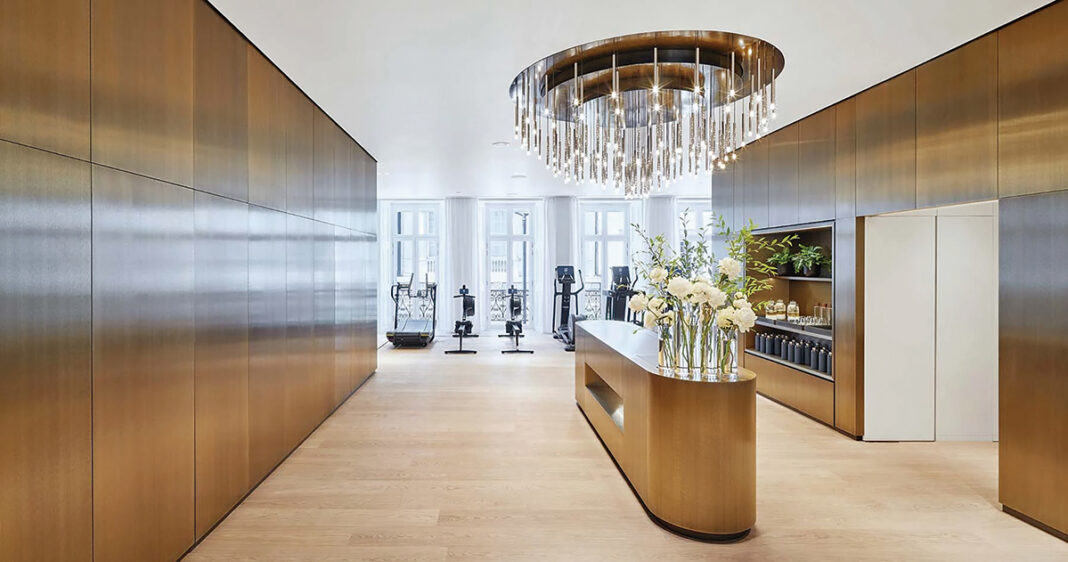
Perhaps the most surprising evolution is happening in fitness. Gyms used to be transactional: pay, train, leave. But the rise of longevity culture – biohacking, recovery and holistic wellness – has turned them into lifestyle destinations.
Today’s nextgen gyms are:
Longevity labs: cold plunges, redlight therapy, metabolic testing
Third spaces: lounges, coworking, social programming
Community hubs: events, workshops, curated member groups
Hospitality-led: cafés, retail, conciergestyle service
In other words, they’re becoming clubs, not facilities.
This mirrors competitive socialising: people gather around shared interests. Whether it is padel, HIIT, darts or breathwork is almost secondary. The value is the ritual – weekly meetups, familiar faces, progress and belonging.
For landlords, this is gold: repeat visitation, daytime activation and emotional loyalty – three things traditional retail struggles to sustain.
The Opportunity: Placemaking That Builds Emotional Equity
Competitive socialising and wellness-as-community share a strength: they create emotional equity. They make people feel something about a place. That connection turns a development into a destination and a tenant into part of the fabric.
For landlords, the opportunity is clear:
Curate ecosystems, not tenants. A bowling concept beside a cocktail bar beside a boutique gym creates a lifestyle corridor, not a
row of units.
Blend day and night economies. Longevity clubs activate mornings; competitive socialising activates evenings – together they fill the gaps.
Design for participation, not passivity. Interaction drives longer dwell times and stronger memories.
Think like a cultural programmer. Leagues, workshops and social calendars matter as much as rent rolls.
This is placemaking in 2026: not just building space, but building rituals.
The Risks: Novelty Fatigue and Operational Complexity
The sector isn’t without challenges:
Novelty fatigue – Concepts built only on “the new thing” fade unless they engineer community and repeat-use habits.
Operational intensity – These are hospitality businesses plus tech, equipment and gameplay. Weak execution sinks great ideas.
Overtheming – Designing for Instagram rather than longevity creates spaces that age fast and don’t earn loyalty.
Misalignment with the development – Competitive socialising thrives in the right ecosystem; the wrong context creates friction, not vibrancy.
The winners will treat these concepts not as novelties, but as long-term cultural anchors.
What Comes Next: The Rise of Hybrid Social Clubs
The next frontier will blur leisure, wellness, hospitality and community. Expect longevity clubs with social calendars, gyms with nightlife energy, competitive socialising with recovery components, members-only spaces built around sport and retail integrated into experiential ecosystems.
In short: the future of leisure is hybrid, holistic and human. Competitive socialising was the spark; community-driven placemaking is the fire.
