



Ben Stirling, Managing Director of Webloyalty set some time aside to pen a piece for RLI that discusses whether consumers will remain online as the restrictions begin to ease.
Recently, the Office for Budget Responsibility indicated that consumer savings had accumulated to £143.5bn since the start of the pandemic last March. The watchdog estimates that this could rise to £180bn by summer 2021. It is anticipated that we will see a great increase in consumer spending as lockdown restrictions ease – as people begin to travel, socialise and shop once more. However, even if the end of lockdown is marked by the opening of non-essential stores, it’s very possible that many consumers will still do the majority of their spending online. According to a McKinsey survey, over 50 per cent of European grocery shoppers will continue to purchase regular items online.
Online spending has risen by 72 per cent since the beginning of the pandemic, according to the Office for National Statistics. While this has largely in part been driven by safety concerns and customer necessity, these same customers have now become accustomed to a digital shopping experience with all the benefits and comforts this provides. Following a year of strict Covid-19 restrictions, the reality of physical shopping experiences still feels inconvenient or even daunting. In January, experts at the University of Warwick have predicted that social distancing measures could last for another 12–15 months as the vaccination rollout continues.
Many high-street retailers should anticipate this shift to a ‘new normal’ and create long-term strategies for retaining loyalty now that customers have finally given up the need for an in-store experience. There are also benefits for mainstream retailers in focusing their attention more to the online shopping experience. The challenges of a return to bricks-and-mortar such as ongoing health and safety concerns can make the prospect seem unattractive. Meanwhile, a maintained focus on online channels can have a great many benefits such as centralised supply and fewer overheads. For instance, in March high-street chocolatier Thorntons announced it would become online only, providing opportunity for improved profit margins and reflecting the lack of demand for physical stores.
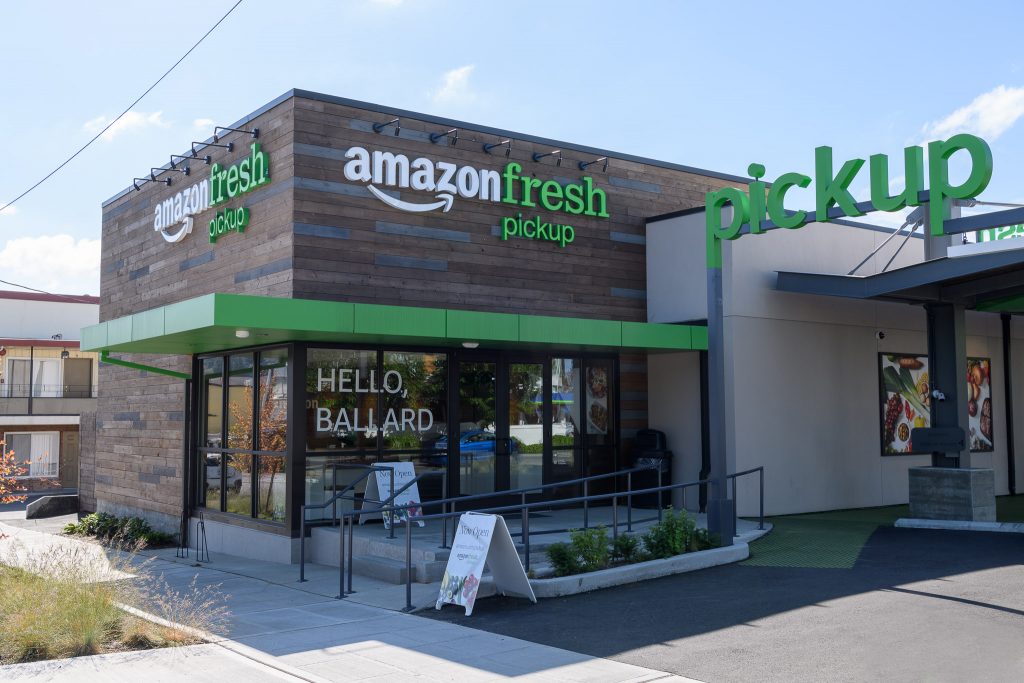
(GeekWire Photo / Kevin Lisota)
For high-street retailers that do want to take advantage of the easing in restrictions on non-essential retail, reverting to a strategy that prioritises in-store shopping will not meet the evolved consumer expectation that has developed during the pandemic. To win in this new landscape, retailers must look to marry digital and in-person shopping, merging the two to create an experience that is better than what existed before. One brand that has already done this is Amazon, who have opened the UK’s first “till-less” grocery stores allowing customers to walk in, scan a barcode on their smartphone and just walk out with their items – mimicking the immediacy and ease of shopping online. The new technology that has been developed or adopted should continue to be adapted as we move into a hybrid way of living. Consumers are becoming accustomed to having options in the way they choose to shop. Brands have little choice but to step up or retention could suffer.
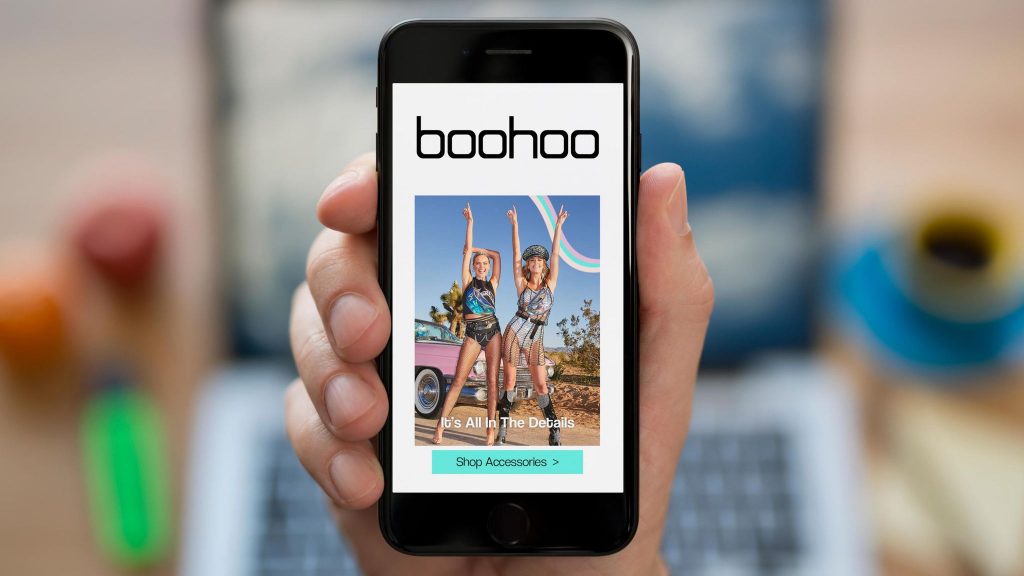
In addition to prominent high-street retailers offering a richer online experience, we have also seen the dominance of a new generation of digital-only businesses who have captured increased interest throughout the pandemic. Online clothing brands such as Boohoo, Missguided and ASOS have all reported a huge jump in sales and profits throughout the pandemic, having benefited from the closure of high street stores. This resulted in ASOS buying Topshop at the start of this, closing the physical stores. Additionally, online small businesses have also experienced growth throughout the last year, with Etsy reporting a 106 per cent profit jump for its independent sellers.
In both cases, as customer habits shift, it will be vital to implement new retention strategies as the online arena offers greater choice and ultimately greater competition. Brands must work harder to transform one-time purchases into long-term loyalty. In our research report: ‘Digital Choice, Applying Behavioural Economics to Online Conversion and Retention Strategies’, we examined the strategies used by retailers to capture people’s attention online and keep them coming back for more. The majority of the UK’s top 50 retailers already understand the value of building loyalty online, through tactics such as social proofing and personalisation bias.
The anticipation of the ‘Big Spend’ which is likely to follow the easing of pandemic restrictions has been assumed by many to be part and parcel of a return to physical stores. However, while people may certainly be spending more as they return to a life outside the home, it seems clear that with careful strategy and a focus on providing customer benefit that builds long-term loyalty, retailers both big and small can continue to profit from the changes in consumer behaviour prompted by the last 12 months. While brick and mortar stores will offer an initial novelty, people have witnessed a more refined user experience from brands while shopping online. The retailers who take advantage of this have the potential to capture the loyalty of customers for years to come.