

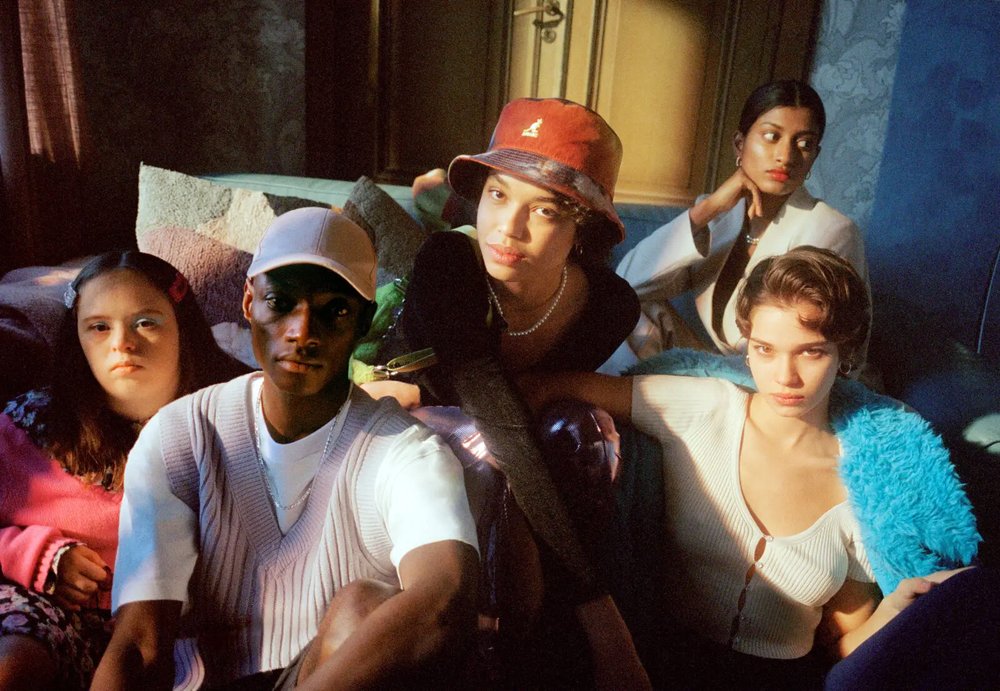
This evolution in H&M’s commercial approach is by no means trivial: the shift to an e-marketplace model, which if successful could be extended to other countries, is likely to strengthen H&M’s position as one of the leading European fashion e-tailers.
In addition to other labels by the H&M group,
such as &Other Stories, Arket, Weekday and Monki, the
range of brands available on the site has grown to include 13 womenswear labels
and 15 men’s ones. Among them, Lee, Wrangler, Fila, Superdry, Crocs, Eastpak,
Aimn, Kangol, Chimi, Houdini, Ecoalk and Buffalo. This extended range is
currently featured within an umbrella section of the site called ‘H&M with
Friends’.
The choice of Sweden and Germany as test countries was not random. “Both Sweden
and Germany have a long tradition of catalogue shopping, and in Sweden we
launched our e-shop in 1998, while in Germany the e-shop has been operating for
15 years. This is why we started our test with these two markets, and we will
gradually add more markets online,” H&M’s management told
FashionNetwork.com.
The H&M e-shop is already operational in 54 countries, and was launched
since the start of 2022 also in Belarus, Colombia, Kazakhstan, Peru and
Ukraine. It is set to be deployed by the end of the year in Ecuador, Kosovo and
Northern Macedonia, and via franchising deals also in Costa Rica, Guatemala and
Cambodia.