
DesertBoard’s PSB®: A Sustainable Building Solution for Construction and Allied Industries
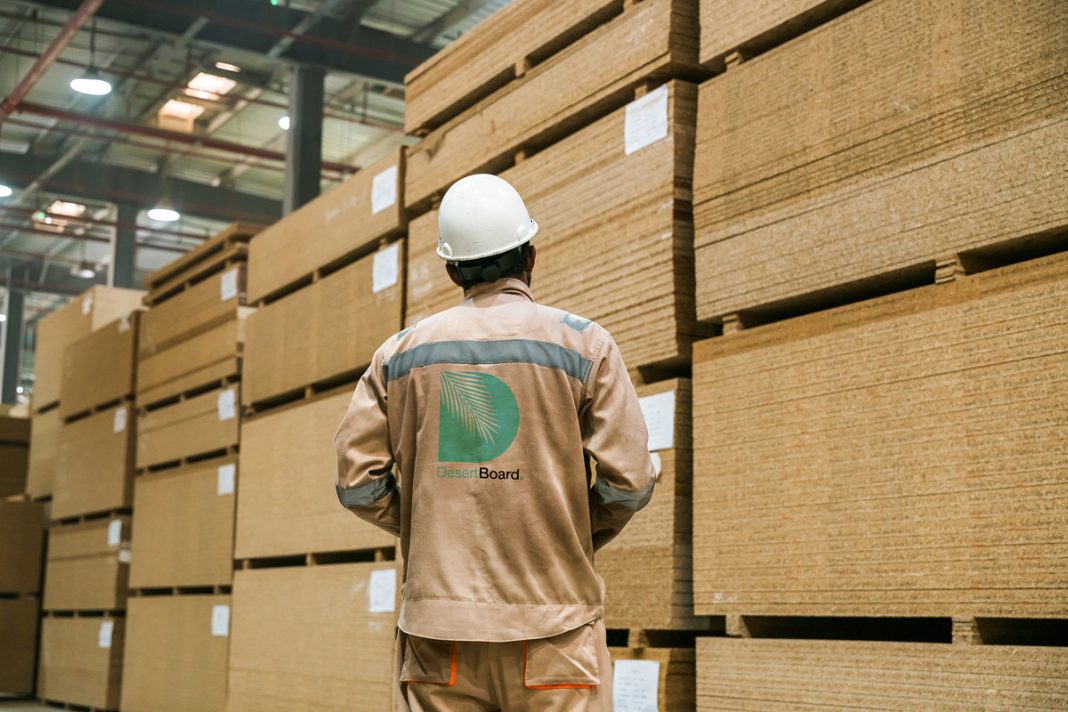
In the heart of the United Arab Emirates, a groundbreaking innovation has emerged in the construction industry: DesertBoard’s Palm Strand Board (PSB®), the world’s first engineered palm-based board. This regionally manufactured material is far more than a building board – it’s a pioneering leap forward in sustainable construction.
For centuries, date palm trees have been a vital resource in the Middle East, historically used to construct Barasti houses that provided essential shelter in the harsh desert climate. Inspired by the rich heritage and the vision of the UAE’s founding father, Sheikh Zayed bin Sultan Al Nahyan, DesertBoard® successfully produced the first engineered board in 2021.
With many date palm trees in the region, substantial quantities of palm waste are generated annually, which, if left to decompose would emit harmful methane gas and if burned, emit CO2 – both of which are major contributors to climate change. DesertBoard® addresses this environmental challenge by upcycling palm biomass using a patented process, becoming the world’s first factory to produce a Super E0 (zero-emission) grade panel, equivalent to wood.
The UAE relies heavily on importing wood products to meet the growing demands of its construction and woodworking industries. According to the World Integrated Trade Solution, in 2021, the UAE’s top wood import partners were China, India, Egypt, Brazil and Germany.
While the imported wood includes various species such as oak, maple, birch, pine, fir, spruce, teak, tropical hardwoods and significant quantities of plywood, lumber and veneer, a primary concern is the presence of volatile organic compounds (VOCs), including formaldehyde, in the wooden boards and panels imported into the region.
Formaldehyde is a colourless, strong-smelling, flammable chemical linked to sick building syndrome and even cancer. It is commonly found in wood-based products like MDF, particleboard and plywood, due to the use of formaldehyde-containing resins such as urea-formaldehyde, melamine-modified urea formaldehyde and phenol-formaldehyde.
Formaldehyde emissions from wood products vary significantly by country, influenced by manufacturing practices, adhesive types and regulatory standards. Wood products from certain countries often exhibit higher formaldehyde levels due to less stringent regulations and the widespread use of urea-formaldehyde adhesives.
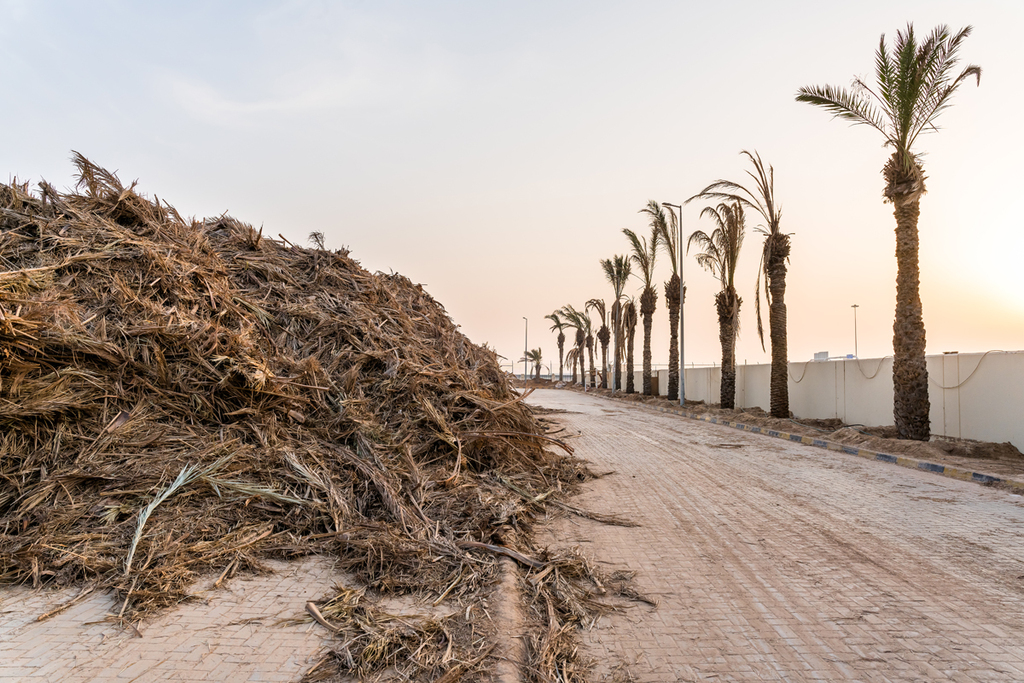
The import of wood into the UAE presents several challenges, including deforestation in source countries, increased carbon emissions from long-distance transportation, dependence on foreign sources, difficulties in complying with environmental standards, risks associated with chemical treatments, vulnerability to supply chain disruptions and price fluctuations. These issues contribute to the negative environmental and economic impacts of wood imports in the UAE.
At DesertBoard®, we are proud to address these concerns by using palm biomass as a primary component in building materials. This not only reduces waste but also supports Abu Dhabi’s industrial diversification by decreasing reliance on imported materials. It aligns with the emirate’s broader strategy of promoting domestic industries and self-sufficiency. This initiative is perfectly in sync with the UAE’s Green Agenda 2030, which focuses on building a sustainable economy and reducing the environmental footprint. By enhancing sustainability and contributing to the local economy, DesertBoard® is a valuable asset in achieving the nation’s environmental and economic goals.
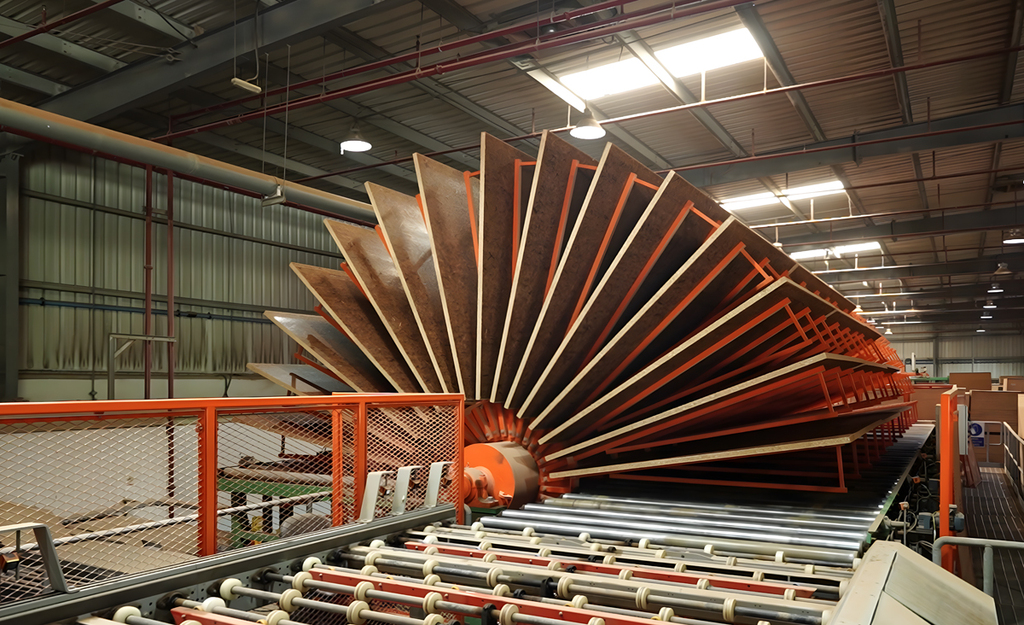
With a production capacity of 110,000m³ of high-quality PSB® boards per year, these boards are manufactured in KEZAD, Abu Dhabi. Being sustainable, they can be reused or recycled at the end of their lifecycle, minimising environmental impact, truly spearheading the bioeconomy and supporting a circular economy from cradle to grave. These engineered boards are zero-emission, 100 per cent sustainable, fire-rated, high-moisture resistant, high-load bearing, strong, durable, termite resistant, acoustically insulated and possess high screw withdrawal capabilities.
DesertBoard® represents a new era in sustainable construction, offering materials that are not only environmentally friendly but also high-performing and versatile.
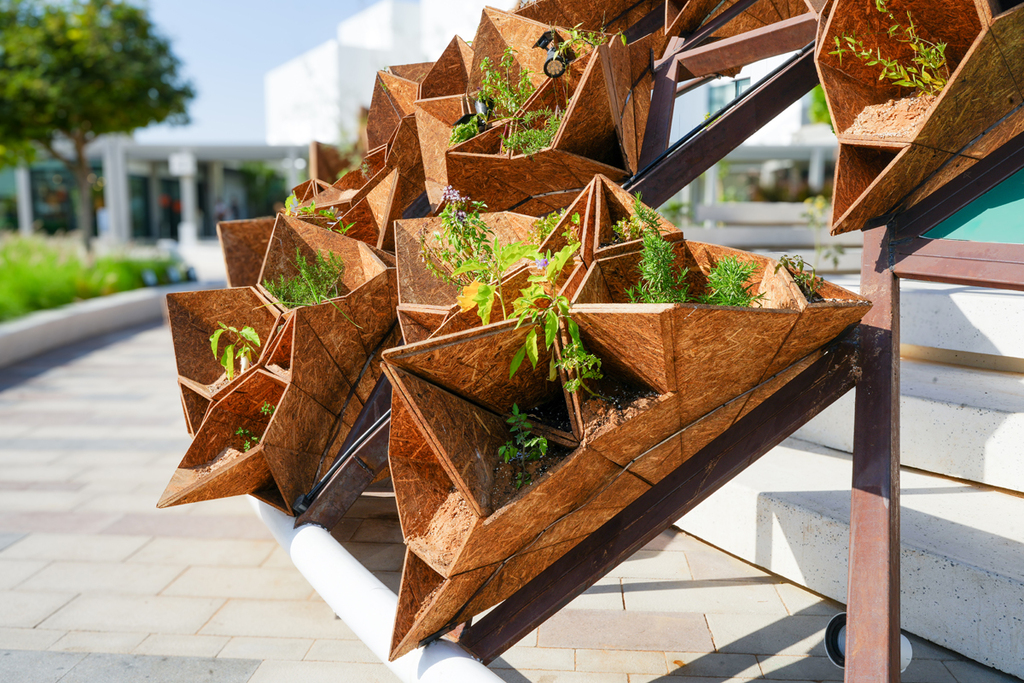
These exceptional qualities make PSB® an eco-friendly, versatile solution for various industries, including construction, engineering, fit-out, joinery, events management and design. Its applications range from outdoor use in shuttering boards and wall panels & cladding to indoor applications such as door cores, booths, stands and structural support. PSB®’s versatility and aesthetic appeal also make it a popular choice for design-conscious projects.
Whether you’re building a sustainable home, renovating a commercial space, or creating a temporary structure, PSB® offers a reliable and environmentally responsible solution.
With uncompromising safety, PSB® fire-rated door cores offer fire ratings for 90, 60 and 30 minutes, able to withstand flames and heat, providing crucial time for safe evacuation. These doors are tested as per EN-1634-1 (European standard for fire resistance), BS-476 (British standard for fire tests on building materials and structures) and UL-10C (American standard for fire tests of door assemblies), ensuring compliance with the highest global safety requirements.
Recently, one of DesertBoard®‘s most significant achievements is the development of the world’s first three metre, 60-minute fire-rated door core made from sustainably engineered material PSB®, certified by UL-10C. This demonstrates the company’s dedication to safety and quality, as these certifications validate the performance of their door cores under multiple fire emergency scenarios.
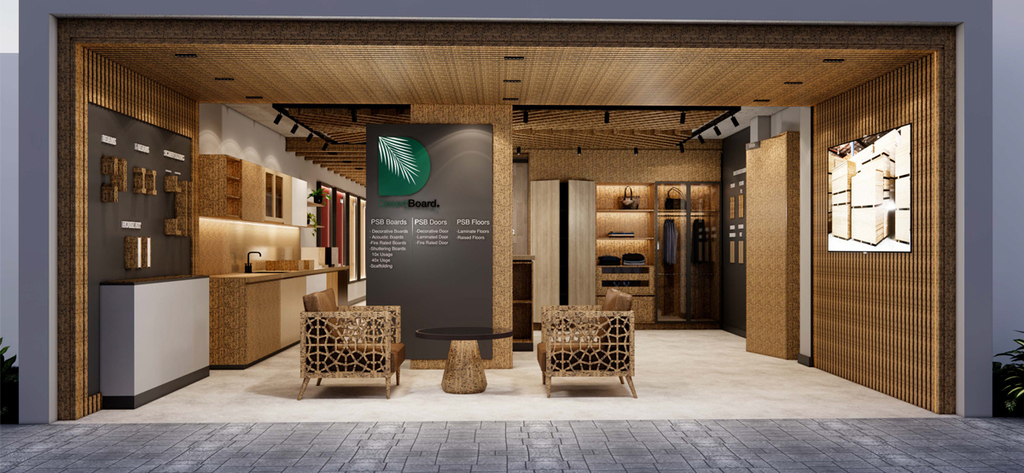
DesertBoard®’s high-performance products are widely used in residential, commercial and social projects across the Gulf, Asia and the UK. Prestigious clients such as ECC UAE, EMAAR UAE, Aldar Properties UAE, Select Group UAE, Abanos UAE, Aurora UAE, HandsOn UK, Oasis Play UK and many more have chosen PSB® for its superior quality and sustainability.
Palm strand boards are aligned with the global decarbonisation commitments and complement sustainable development goals (SDGs). Their carbon-positive properties support SDG 13: Climate Action, which aims to combat climate change and its impacts. The durability and longevity of these boards contribute to SDG 11: Sustainable Cities and Communities, promoting inclusive and sustainable urbanisation. The use of recycled palm fronds aligns with SDG 12: Responsible Consumption and Production, which encourages sustainable practices in resource use and waste management. Their thermal insulation properties contribute to SDG 7: Affordable and Clean Energy, which seeks to ensure access to reliable and sustainable energy for all. These eco-friendly and durable materials offer a sustainable solution for urban development.
DesertBoard® represents a new era in sustainable construction, offering materials that are not only environmentally friendly but also high-performing and versatile. Each board embodies a commitment to resilience, sustainability and environmental preservation, contributing to healthier, zero-emission buildings and decarbonising the built environment.