

In part one of RLI’s look at Retail and Brand Experience, International Immersive Technology specialist, Kevin Williams of KWP, presents an overview of the key areas of investment seen driving the deployment of high-profile brands and properties into the leisure entertainment sector – charting the landscape and the opportunities in theme parks, VR attractions and beyond.


The importance of brand licensing in the explosion of investment in the Out-of-Home entertainment sector has not been lost on anyone. Major new entertainment venue investments looking to marry with a strong and recognisable Intellectual Property (IP) are fuelling this development. The market is split into four dedicated aspects that have attracted much of this investment.
Theme Park and Resorts
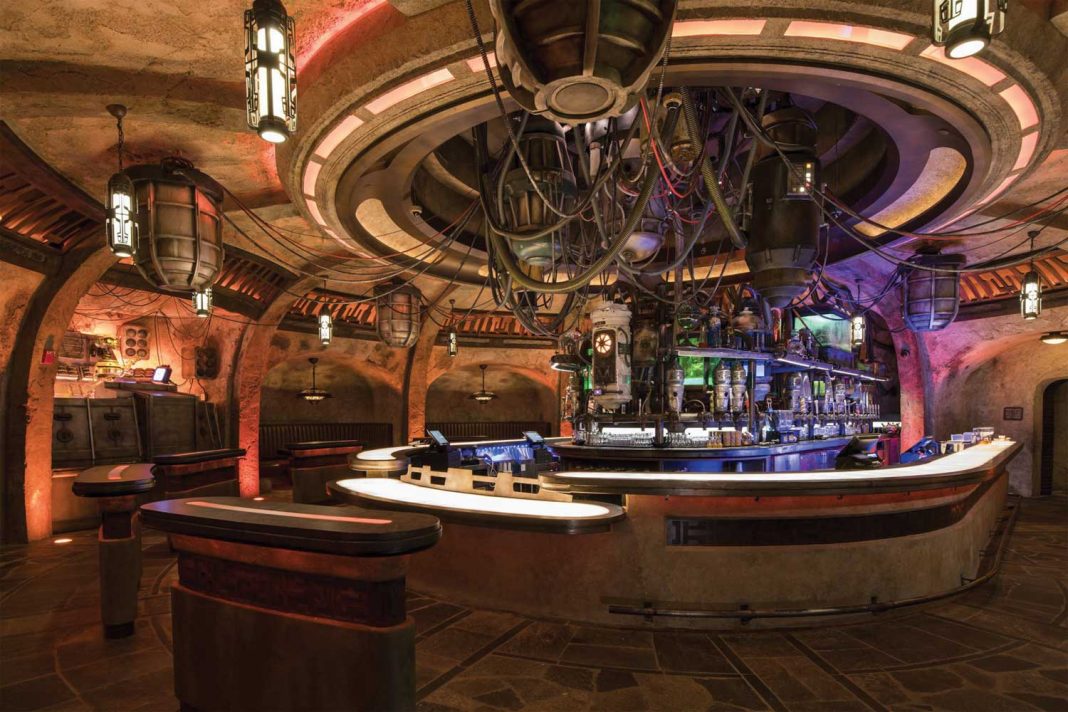
We have seen incredible development by the larger theme park operators towards embracing IP, merging with new attractions, and even theming complete zones of their parks. This is best illustrated by the market leader Walt Disney, who launched last year the Star Wars: Galaxy’s Edge – a complete area of their park that has been geared towards a re-creation of the movie property.
A virtual arms race to attract the most popular properties has begun, be it Universal partnering with video game company Nintendo – or Six Flags Entertainment, the world’s largest regional theme park company, partnering with Atari, the consumer game publisher, to license their real-world attractions into their ‘RollerCoaster Tycoon’ mobile game.
One of the aspects of the new investment in this sector has seen the owners of these properties looking to enter the market directly, rather than handing over their brand – directly operating divisions of their company towards placement and management of their properties into the Out-of-Home entertainment landscape.
Location-Based Entertainment
The development of dedicated entertainment facilities that are based around a popular brand – offering a means for the audience to immersive themselves within brand or movie are a new area of investment. Described as LBE facilities, these are mid-scale entertainment experiences flexible enough for deployment in malls as well as a standalone structure.
Recent developments in this approach was seen with Lionsgate Entertainment, who have invested heavily into finding the right mix of partner and developer – in the face of cancelled projects, the company has successfully opened their ‘Lionsgate Entertainment World’ – the movie-themed vertical theme park, which opened at Hengqin Island in Zhuhai, China last year. A venue comprising attractions including virtual reality experiences based on elements from their movie portfolio.
Not just movie properties, but also toy brands have turned towards creating entertainment spaces wrapped in brand recognition. Hasbro International announced their entry into the world of Family Entertainment Centres (FEC) with plans to open the first ‘Nerf Experience’ centre in Singapore. While Mattel have revealed their plans to roll out their first ‘Mattel Play!’ indoor facility in Europe, with a Canadian site to follow. Along with them, Cartoon Network has established several high profile partnerships to place their brands in this arena.

Immersive Entertainment
The ability to totally immerse the guest within a virtual re-creation of their favourite television and movie environments has become a viable possibility with the use of the latest immersive reality technology. VR is being deployed into the creation of not just theme park attractions but also standalone LBE VR experiences.
One of the most reported developers of this approach is The VOID – creating both standalone and pop-up virtual entertainment experiences. The company have received support and investment from Walt Disney and LucasFilm, allowing the creation of VR adventures based on Star Wars and Wreck it Ralph. The company is about to reveal a new VR experience based on the Avengers universe – and have even partnered with Sony Pictures to launch movie-based experiences.
Another developer of what are called Arena-Scale (free roaming) LBE VR environments is Sandbox VR – the Asian technology start-up has received considerable investment and following this announced a partnership with CBS Interactive towards developing a VR adventure based on the Star Trek universe. Meanwhile developer Dreamscape Immersive has licensed ‘Men In Black: First Assignment’, with a schedule release for the end of the year.
Standalone Amusement & Attractions
Beyond the creation of dedicated theme park attractions, or specialist facilities – there is also the deployment of standalone hardware into existing entertainment venues that embrace the use of available IP. Again, being led by VR technology, we have seen one of the leading providers of VR tethered enclosure systems, HOLOGATE, entering into licensing agreements with Sony Pictures and Rovio Entertainment, to bring ‘The Angry Birds Movie 2’ to their platform.
The ability for a game developer such as Rovio to widen the reach of their brands is seen in dedicated signings into the Out-of-Home entertainment landscape. Video game publisher Ubisoft has created their own new division that specialises in development in this arena. Building on the popularity of Escape Rooms, Ubisoft Escape Games creates content that is based on their properties, with their first title ‘Escape the Lost Pyramid’, and new release ‘Beyond Medusa’s Gate’ – both based on the Assassin’s Creed game and movie universe.
Beyond immersive technology, the conventional amusement business is seeing a strong resurgence supplying hardware to the entertainment facility sector, have also embraced film and brand properties – such as developer Raw Thrills releasing licensed products – most recently with ‘HALO: Fireteam Raven” based on the Microsoft console-game franchise. However it is not just current properties that are being utilised, new Videmption titles are reinterpretations of popular classic video arcade releases such as with ‘Centipede Chaos’ and ‘Space Invaders Frenzy’.
While many people are fixated on interactive entertainment only encompassing smartphones, consoles and PC gaming – there is also a new and growing landscape for immersive entertainment in the Out-of-Home entertainment sector. As seen from this incredibly brief overview this is a market that major brands and developers are taking incredibly seriously, and with continued investment and partnerships, one we will be hearing a lot more about.