

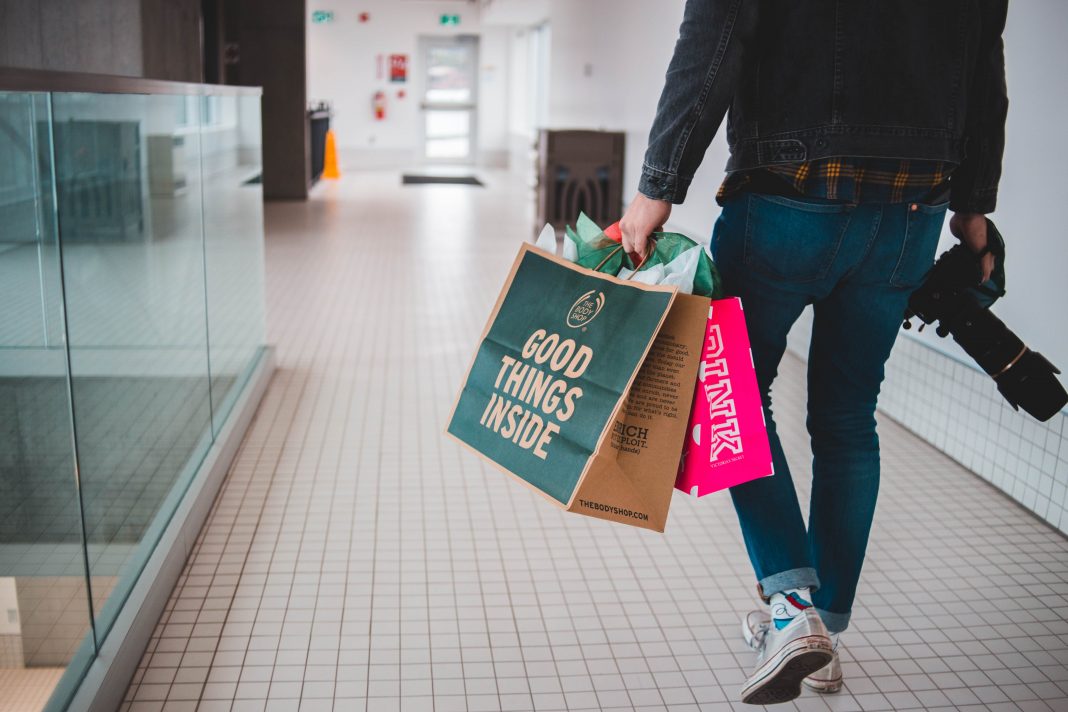
Authorities in Romania have decided to temporarily suspend the purchase of goods considered non-essential from shopping centres will affect over 9,000 stores.
The closure of these stores will result in €15-20M in lost income, according to Cushman and Wakefield Echinox. The military ordinance issued in the context of the COVID-19 pandemic makes an exception for stores that mainly sell food, electronic, pharmaceutical and pet shop products, as well as cleaning and optical services.
The modern retail stock (malls, retail parks and commercial galleries) in Romania comprises about 3.9 million square meters, of which 23 per cent is represented by supermarkets and hypermarkets, the main category of stores that remain open, according to Cushman & Wakefield Echinox data. The estimated unearned income takes into account an average level of sales in a normal activity timeframe for a shopping centre, at around €2,000 per square metre per year respectively.
Bogdan Marcu, Partner Retail Agency at Cushman & Wakefield Echinox: “Unlike well-known companies, such as LVMH, L’Oreal, H&M or Inditex, many other international and local retailers will struggle to survive in this unprecedented context. The global interconnection has never felt so real, from the emotional state of mind up to the economic and financial concerns. The solution we see relies on a dialogue between all the players of the industry, banks, retailers, owners of commercial spaces and shopping centres and the state institutions. Retail has an essential role in today’s modern social space and will have an important role in the revival of the economy, which is why it needs sustained support during this period.”