
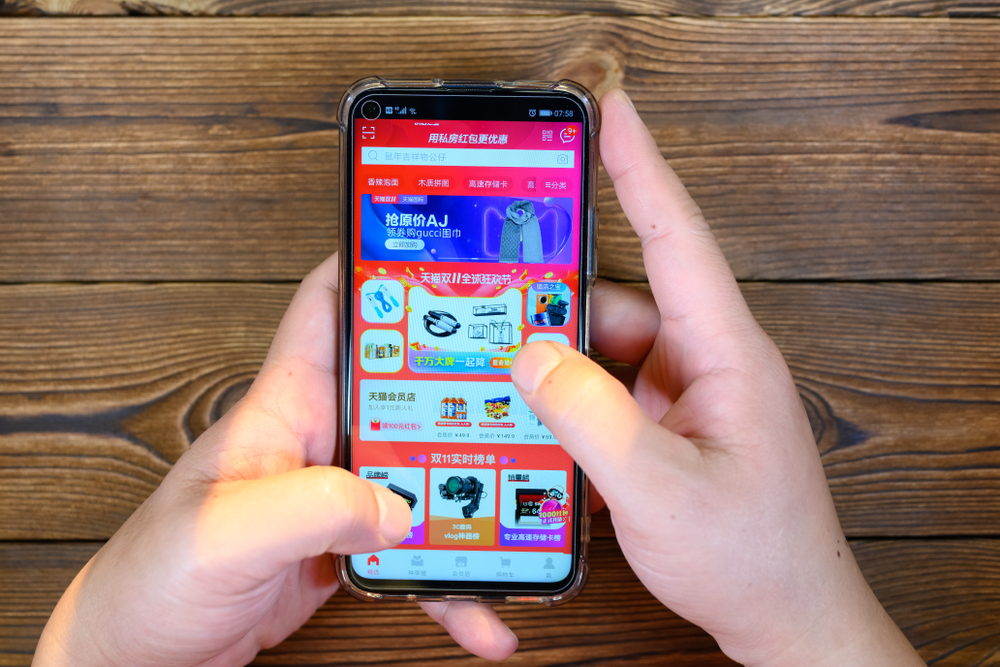
As the focus on local shopping festivals like Singles Day and 618 continues to intensify in China, globally recognised celebrations and milestones are beginning to resonate less strongly with Chinese shoppers.
According to GlobalData, the e-commerce market in China is projected to grow by 17.2 per cent in 2021 and is set to exceed $3tn by 2024 – making it the largest and fastest-growing one in the world. While an increasing number of social platforms in China have started rolling out their own e-commerce functionality – the most recent of which being leading short video app Douyin – Alibaba’s Taobao/ Tmall continues to dominate the Chinese e-commerce landscape, having generated an annual GMV of over $1.01tn in 2020.
With over 200 international luxury brands on its platform, Tmall has become the choice channel for Chinese consumers to purchase luxury goods online as well. In fact, luxury sales on the platform were up 159 per cent year-on-year in the first quarter of 2021.
But when do luxury consumers shop online? According to DLG (Digital Luxury Group)’s recently released white paper, Leveraging Local Festivals and Milestones on Tmall, the months of November and June accounted for over 43 per cent of beauty sales generated on Tmall (based on a data sample of 30 leading beauty brands on Tmall) over the past year. While these figures vary across categories, the fact remains that the two key shopping festivals on Tmall, Singles Day in November and 618 in June, account for a significant proportion of overall e-commerce sales.