

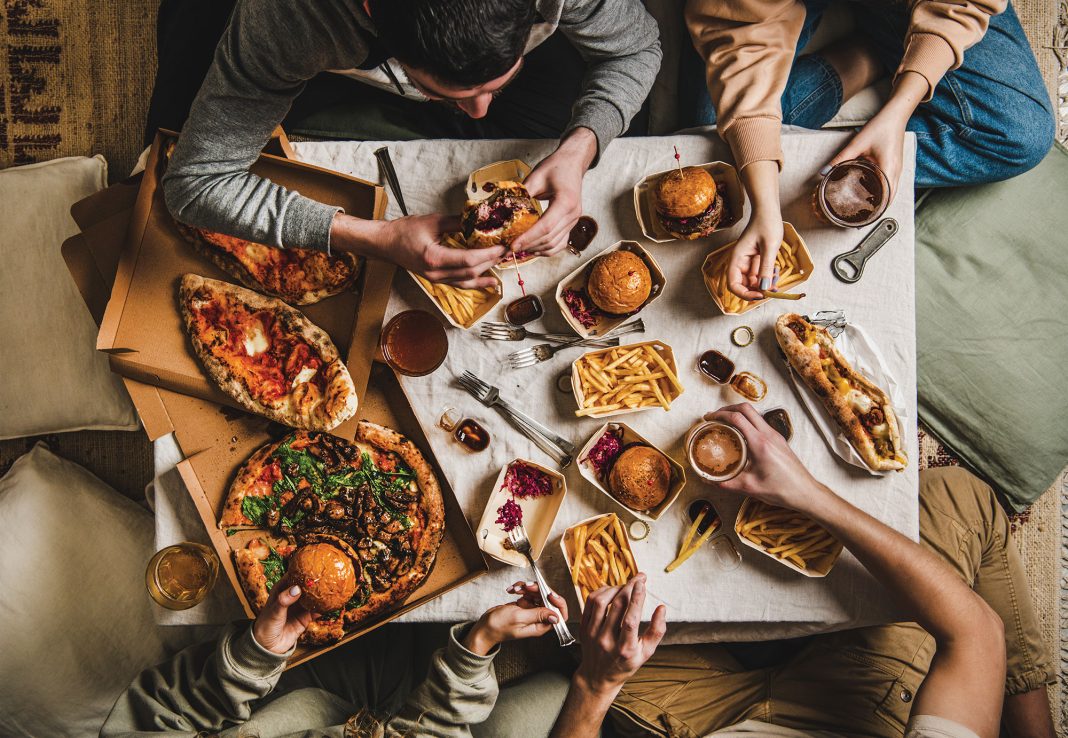
Sam Martin, CEO, Peckwater Brands takes some time out to discuss the topic for this month’s Leisure Insight.

Everyone has their own idea of a traditional British takeaway – for some, a hearty portion of fish and chips, wrapped up in yesterday’s broadsheet and emanating an aroma of vinegar; for others, a piping-hot chicken tikka masala (considered by many to be Britain’s national dish) with a side of garlic naan.
Today, however, these old-school favourites of British cuisine have slipped down in the takeaway pecking order, with more and more dishes from around the world tickling the fancy of the UK consumer. New enterprises are popping up on high streets and on delivery aggregators like Deliveroo and Uber Eats every day, catering to rapidly evolving tastes with emerging cuisines and fresh takes on old favourites.
From east Asian fare like bibimbap and sushi, to Caribbean dishes like jerk chicken and roti, Britons are increasingly more and more adventurous with their taste buds. From pizza to poke, pho to pad thai – globalisation has brought the wonders of international flavours to our food delivery.
The beloved British takeaway is an increasingly small footnote on the ever-expanding list of menus on food and drink delivery platforms – so what does this mean for the takeaway of yesterday?
A global challenge
Today’s limited visibility for British takeaways has come at a challenging time – rampant inflation has sent the cost of goods sky high, while the looming prospect of recession has many players in the hospitality sector fearing the worst. Business owners selling traditional British fare cannot afford to be passive in the coming year, re-evaluating their approach to adapt and compete in a varied and diverse marketplace.
The good news, however, is that the takeaway market is not going anywhere. Research by Peckwater Brands has shown that, despite the cost-of-living crisis, almost a third (32 per cent) of Britons will still treat themselves to a takeaway at least once a month. The demand for food delivery is still out there, and it’s up to British takeaways to seize the opportunity at hand.
Succeeding in the delivery space is a responsibility that these businesses will have to shoulder in order to preserve their piece of British heritage. So what can these business owners do to stand out in a crowded market and capture the interest of a capricious customer base?
Winning a bigger slice of the pie
Looking at the success of global food options on delivery platforms, there are a number of lessons to be learned from how these brands have won over their new market share. Recognising what these new global brands are doing well is key to replicating their success and re-establishing the British takeaway in the delivery aggregator market.
The first element to consider is novelty – variety, as they say, is the spice of life. If adventurous eaters are seeking out new and exciting options, a static menu will be less likely to lure them in. British takeaways have to innovate, injecting fresh intrigue into their offering by reimagining British classics with a fresh twist or trialling new items to complement their existing menu.
The next element to consider is inclusivity – alienating potential customers is not the best route to increasing order volumes. Peckwater’s research revealed that catering to different dietary requirements and preferences is increasingly important to UK consumers. 29 percent of frequent takeaway customers actively seek out vegan options and more than half (53 per cent) want to see healthy options on their menus.
Takeaways selling British fare should aim to incorporate gluten-free, vegan and low-carb options into their offerings to ensure that they can cater to all tastes if they want to increase trade and reclaim market share. Businesses can further augment their order volumes by integrating secondary virtual menus into their operations, boosting revenue by taking advantage of surplus kitchen capacity and idle resources.
The final element to bear in mind is the importance of repeat business. While attracting new customers is vital, developing trust and loyalty with frequent customers is the bedrock of any successful hospitality enterprise. Making a strong first impression is key; four in five (80 per cent) of consumers are unwilling to order again from a vendor with whom they’ve had a bad experience.
Consistency and reliably great products are an important element of a strong offering, but spare a thought for branding and visual style as well. Appealing menu images and an eye-catching visual theme can strengthen consumers’ associations with the brand, helping British businesses to stand out on crowded and competitive platforms.
Establishing a memorable and recognisable brand identity is crucial for fostering customer loyalty. In fact, nearly half of Britons (48 per cent) are hesitant to order from a restaurant that they are unfamiliar with. To achieve this, restaurants can utilise various strategies such as effective marketing, offering loyalty programs and special promotions and creating an appealing brand image through visually striking logos and packaging designs.
Getting back on top
As the UK’s takeaway market becomes home to more and more cuisines, the competition for the attention of the British consumer has intensified considerably. Nevertheless, British takeaways can still excel and flourish with the proper resources and attitude. A forward-thinking and business-savvy approach will be vital for success in the future – I hope to see more British takeaways taking these steps and thriving in 2023.